Top Newborn Blanket Swaddle Options to Try
We may earn a commission for purchases made using our links. Please see our disclosure to learn more.
Some newborns settle the second they feel that snug little wrap. Others act like you just wrapped a tiny octopus with opinions. That is parent life.
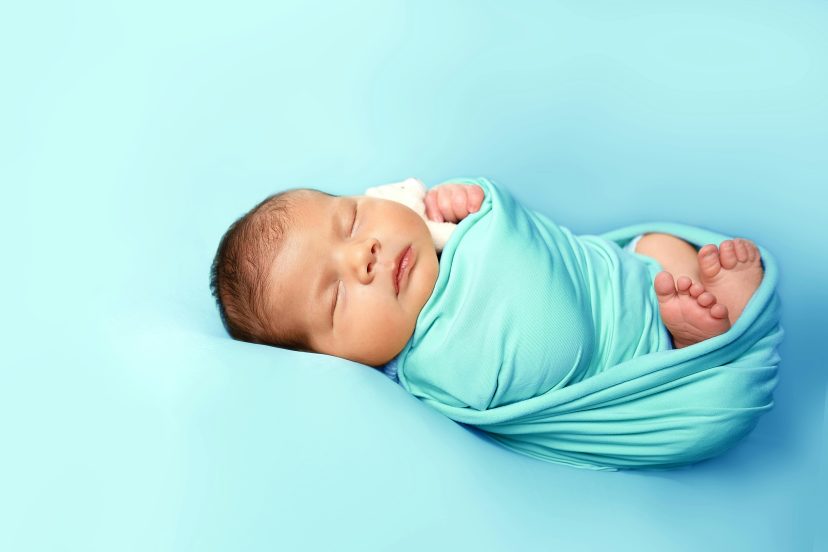
A good newborn blanket swaddle can make those early days feel a bit less chaotic. It can help reduce the startle reflex, support calmer sleep, and give you one more tool when your baby seems tired but just will not settle. At the same time, safety matters just as much as comfort. The American Academy of Pediatrics says swaddling can be used if done correctly, but it does not reduce SIDS risk, and babies should always be placed on their backs with no loose blankets in the sleep space.
This article will help you choose the right swaddle blanket for newborn care, understand what features actually matter, and avoid the common mistakes that make night feeds feel even longer.
Affiliate note: This article includes product recommendations, and I may earn a small commission from qualifying purchases at no extra cost to you.
Why a newborn blanket swaddle helps
A swaddle works because many newborns still love that snug, womb-like feeling. Done well, it can help limit the startle reflex and create a calmer transition from “I was asleep two seconds ago” to “why is the world so loud?” Research reviews have found that swaddling can increase quiet sleep and reduce sleep state changes in babies who are new to swaddling.
That does not mean every baby loves it. Some babies settle beautifully in a muslin swaddle blanket. Others want their hands near their face, or they sleep better in a wearable swaddle blanket. So the goal is not perfection. It is finding the safest setup your baby actually tolerates.
Blanket swaddle vs wearable swaddle
A traditional swaddle blanket for newborn babies is usually a lightweight muslin or receiving blanket that you wrap yourself. It is flexible, budget-friendly, and often multitasks as a stroller cover, burp cloth, or tummy-time layer. Many parents like it because one blanket can do half the nursery’s job.
A wearable swaddle, on the other hand, is more like the “fitted sheet” version of swaddling. It gives you more structure, often includes zippers or fasteners, and can be easier at 3 a.m. when your brain is running on coffee and courage. The Love to Dream Swaddle Up is designed for an arms-up position, while HALO’s SleepSack Swaddle offers arms-in, one-arm-out, and two-arms-out options for transition.
Safe sleep rules to know first
This is the section that matters most.
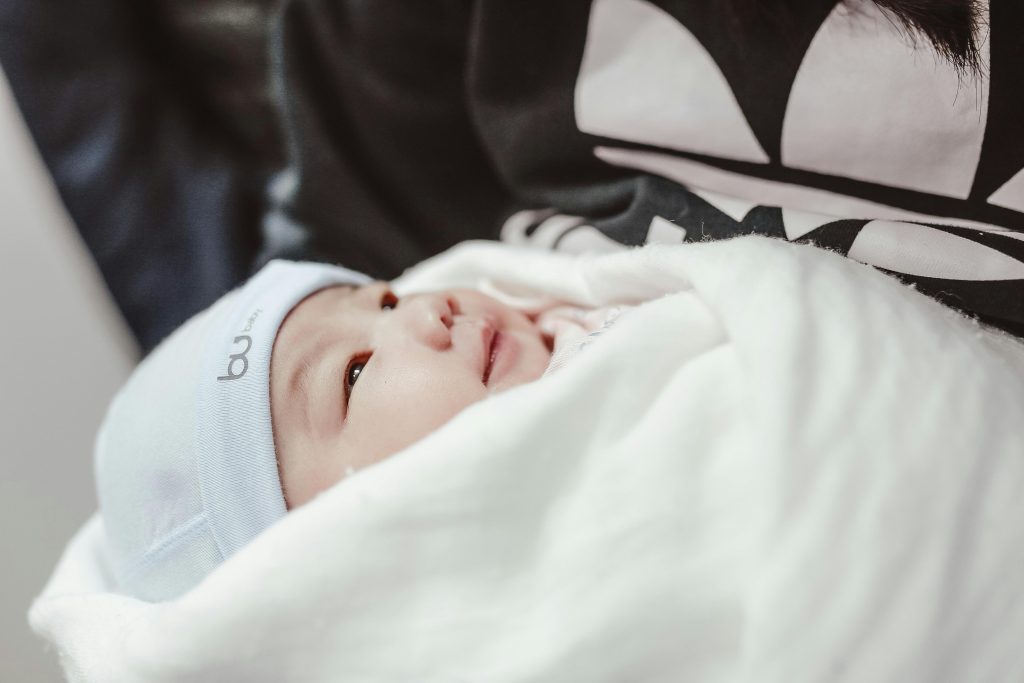
Whenever your baby is swaddled, always lay them down on their back to sleep. The swaddle should be snug enough that it cannot come loose, and you should stop swaddling with your baby’s arms in as soon as they begin showing signs of rolling. The AAP also says not to use weighted swaddles or weighted objects inside a swaddle.
Also important: a newborn blanket swaddle should be a thin swaddle blanket or muslin wrap, not a thick bed blanket. The Lullaby Trust advises using lightweight materials, keeping the head uncovered, checking temperature regularly, and leaving wiggle room around the hips. It also advises against swaddling during bed-sharing.
How to swaddle step by step
Here is the simple version.
Lay the swaddle blanket flat in a diamond position, then bring the top corner down. Place your baby on their back with their shoulders positioned just beneath the folded top edge. Gently bring one side across the chest and tuck it under the body. Fold the bottom up loosely, leaving room for the hips and knees to bend. Then bring the final side across and secure it snugly around the upper body, not the face, neck, or hips.
Think “secure around the torso, roomy around the legs.” You are aiming for burrito, not vacuum-sealed sandwich.
How to dress baby under a swaddle
Overheating is one of the easiest mistakes to make, especially when a newborn feels so tiny that every parent assumes they must be cold. The AAP says babies generally need only one more layer than an adult would wear in the same room, and signs of overheating can include sweating, a hot chest, or flushed skin.
That is why breathable fabrics matter so much. A lightweight muslin swaddle blanket is usually a better choice than a thick plush blanket for sleep. The Lullaby Trust also recommends a room temperature around 16–20°C and keeping hats off indoors once you are home.
Signs your baby likes being swaddled
You usually know pretty quickly.
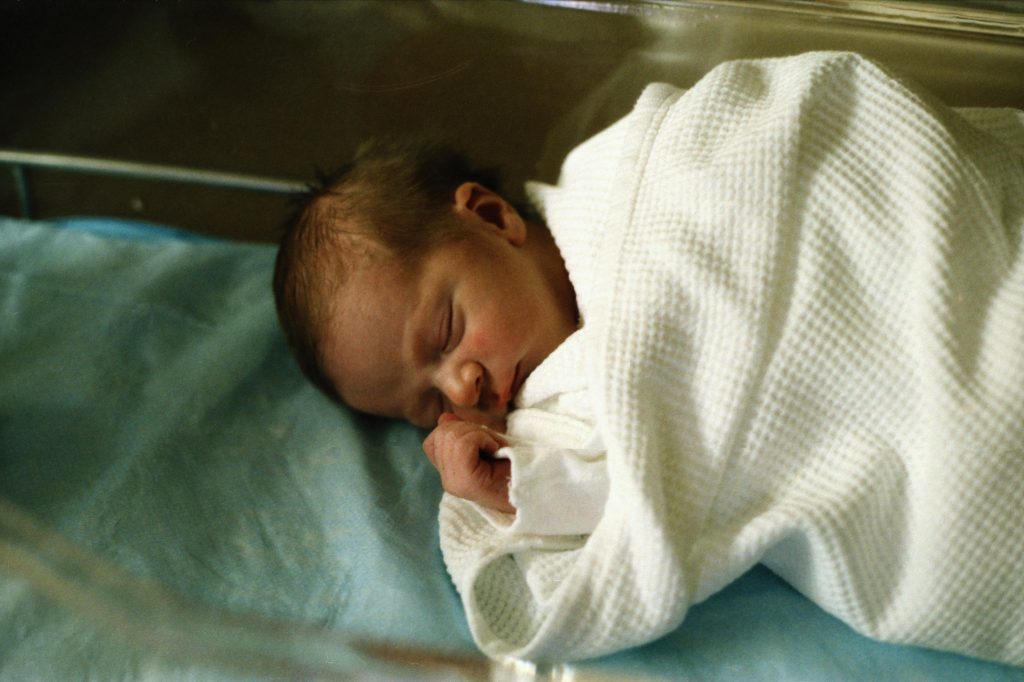
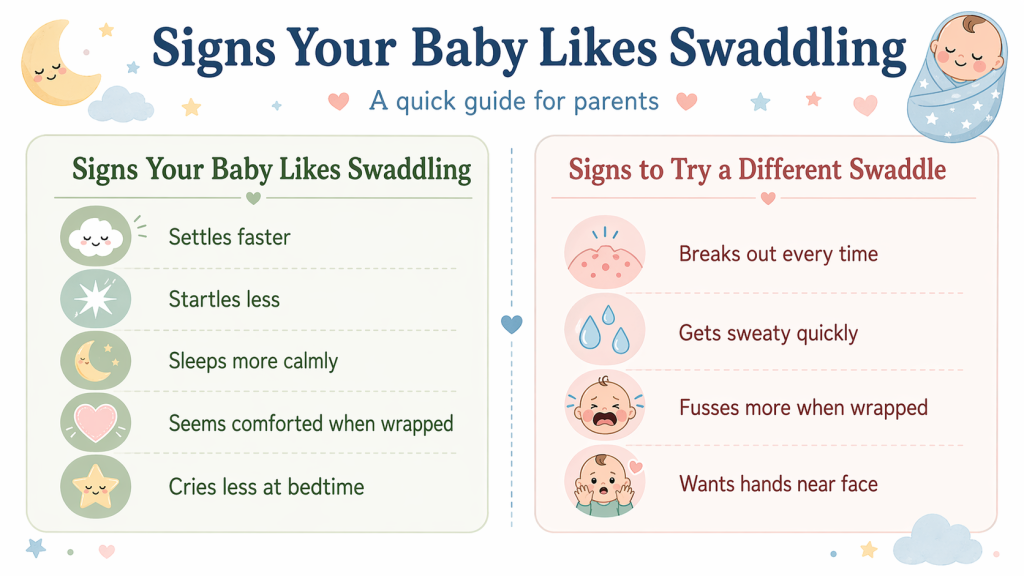
Your baby may like swaddling if they settle faster after being wrapped, startle less, nap more calmly, and seem less frantic when drifting off. Some babies visibly soften the second their arms are contained. It is like their whole body says, “Oh good, I remember this.”
If that sounds familiar, a breathable baby swaddle wrap or muslin receiving blanket may become one of your most-used newborn care tools.
Signs you should try a different swaddle
Not every swaddle is a love story.
If your baby fights every wrap, gets sweaty fast, constantly breaks out, or seems calmer only when their hands are near their mouth, the problem may not be swaddling itself. It may be the style. Some babies prefer an arms-up wearable swaddle, while others do better in a larger blanket with a little more stretch and softness. Love to Dream specifically designs its Swaddle Up for hand-to-face self-soothing, which can be a better fit for babies who hate arms-down wrapping.
This is where parents often waste time trying to “win” against the baby. It is fine to switch strategies.
What to look for in fabric and size
When choosing the best newborn sleep swaddle, look for four things: breathability, softness, enough size for a secure wrap, and hip-friendly room.
Muslin cotton is popular for a reason. Products from aden + anais, Comfy Cubs, and Momcozy all highlight breathable, lightweight fabrics and oversized blanket dimensions, which make swaddling easier and more forgiving for beginners. Aden + anais uses 44″ x 44″ muslin blankets, while Comfy Cubs and Momcozy offer 47″ x 47″ options.
If you are shopping for a wearable blanket swaddle, look for easy diaper access, clear sizing by weight, and a design that leaves enough room at the hips and legs. Hip-healthy swaddling guidance says the legs should be able to bend up and out naturally.
Top newborn blanket swaddle options to try
1. Love to Dream Swaddle Up Original
This is a strong pick for babies who hate having their hands pinned down. It uses an arms-up design, has a two-way zipper for quieter diaper changes, and is made to support self-soothing while still feeling snug. It is especially useful for newborns who keep trying to bring their hands to their face.
2. HALO 100% Cotton SleepSack Swaddle
If you want a more structured, transitional option, HALO is a parent favorite for good reason. It is a 3-way adjustable wearable blanket with arms-in, one-arm-out, and two-arms-out options. The cotton version is sleeveless to help reduce overheating, and the inverted zipper makes middle-of-the-night diaper changes less annoying. Great for parents who want a safer-feeling alternative to loose wrapping.
3. aden + anais Essentials Swaddle Blanket, 4 Pack
This is the classic muslin swaddle blanket choice. The blankets are oversized, breathable, and useful far beyond swaddling. You can use them as receiving blankets, stroller covers, tummy-time mats, or nursing covers. This is the kind of set that earns its keep in the diaper bag.
4. Comfy Cubs Muslin Swaddle Blankets Pack of 4
These large 47″ x 47″ cotton muslin blankets are a practical pick if you want generous size without spending premium-brand money. The larger format helps new parents get a secure wrap more easily, and the blankets can double as a stroller shade or play mat. Best for parents who want flexibility and value.
5. Momcozy Muslin Swaddle Blankets, 4-Pack
Momcozy’s swaddle blankets are designed with a soft, airy feel and a little gentle stretch, which can help keep baby snug without feeling stiff. They are also generously sized, so they work well for newborn wrapping, light covering while supervised, and general nursery use. Good for families who want a soft, modern everyday swaddle set.
How many swaddles you really need
Most parents do well with three to five swaddles in rotation. One in use, one in the wash, one for spit-up chaos, and a backup or two because newborns have impeccable timing when it comes to mess.
If you are trying both styles, a smart setup is two wearable swaddles and two or three lightweight receiving blankets. That gives you options without turning your nursery into a fabric store.
What research says about newborn swaddling
A 2022 review on swaddling and infant sleep and arousal found that swaddling appears to increase quiet sleep duration and reduce sleep state changes in babies who are new to it. In plain English, swaddling may help some newborns stay calmer and sleep more steadily.
At the same time, the AAP’s safe sleep guidance for parents makes the limits clear: swaddling does not reduce SIDS risk, babies should always sleep on their backs, the swaddle must not be tight around the hips, and swaddling should stop when rolling starts or even looks close.
That balance matters. Swaddling can be helpful, but only when comfort and safety stay in the same room.
Signs it’s time to stop swaddling
As soon as your baby begins showing signs that they may roll over, you should stop swaddling with their arms enclosed. HealthyChildren notes that rolling often happens around 3 to 4 months, but it can happen earlier, which is why waiting for a full rollover is not the best plan.
This is where transition-friendly products shine. A design like HALO’s 3-way swaddle can help you move from full swaddle to one arm out, then both arms out, without changing your whole bedtime routine overnight.
Common swaddling mistakes to avoid
The biggest mistake is using a thick blanket instead of a lightweight swaddle blanket. Another common one is wrapping too tightly around the legs. Hip-healthy guidance says babies’ legs should be able to bend up and out naturally; tightly straightening the legs can raise the risk of hip problems.
Other mistakes are just as important: letting the swaddle come loose, overdressing baby underneath, bed-sharing with a swaddled baby, and continuing to swaddle after rolling signs appear. If you remember only one thing, remember this: cozy is good, trapped is not.
FAQs about newborn blanket swaddle
What is the best fabric for a newborn blanket swaddle?
Breathable cotton muslin is usually the easiest place to start because it is lightweight, soft, and less likely to overheat your baby than a thicker blanket. Oversized muslin blankets also make wrapping easier for beginners.
Is a muslin swaddle blanket better than a regular baby blanket?
For sleep, yes. A muslin swaddle blanket is lighter and designed for wrapping, while a regular blanket may be too thick or too loose. The AAP warns that loose blankets in the sleep space can increase suffocation risk.
Can newborns sleep all night in a swaddle?
Some newborns can sleep well in a swaddle for naps and nighttime, but they still need normal feeding and care based on age and medical guidance. The key is using the swaddle safely, keeping baby on their back, and stopping once rolling signs begin.
How tight should a newborn swaddle be?
Secure around the chest and arms, while staying roomy around the hips and legs. Your baby should be able to breathe comfortably and bend their knees upward. Hip-healthy swaddling allows room for natural leg movement.
What helps with nighttime newborn care besides a swaddle?
A calm, simple setup helps more than fancy gear. Soft lighting can make feeds and diaper changes less jarring, especially during those sleepy 2 a.m. wake-ups. If you are building a gentler nursery routine, a warm-toned baby night light can be a helpful extra.
Final thoughts on newborn care and swaddling
The best newborn blanket swaddle is the one that helps your baby settle and helps you feel confident using it safely. For some families, that is a classic muslin receiving blanket. For others, it is a wearable swaddle with zippers, fasteners, and less guesswork.
You do not need the “perfect” newborn setup. You just need a safe one that works for your baby, your routine, and your very human level of sleep deprivation. Start simple, watch your baby’s cues, and adjust as you go. You are learning your baby one night at a time, and that counts for a lot.