The Best Baby Sleep Sacks For Winter
We may earn a commission for purchases made using our links. Please see our disclosure to learn more.
Cold nights with a newborn can make even calm parents second-guess everything. Are they too cold? Too warm? Should you add socks? Another layer? A tiny hat? Suddenly, bedtime feels like a weather report, a laundry puzzle, and a safety checklist all in one.
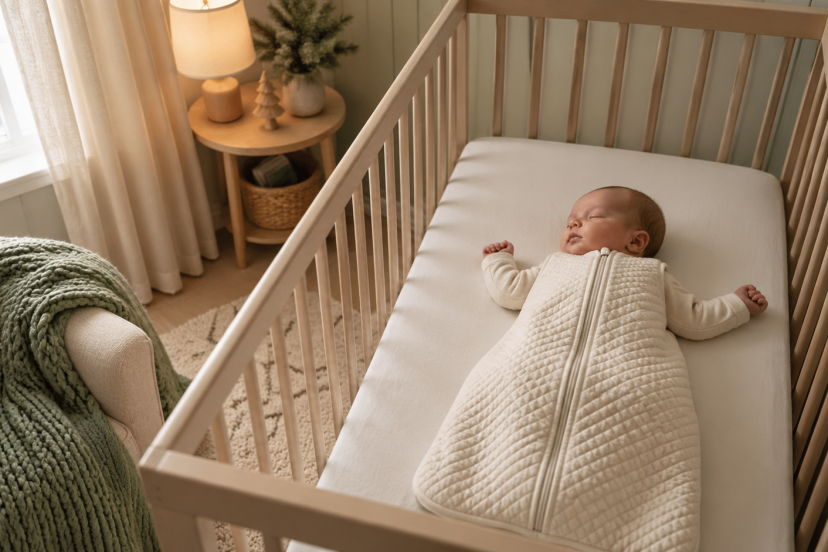
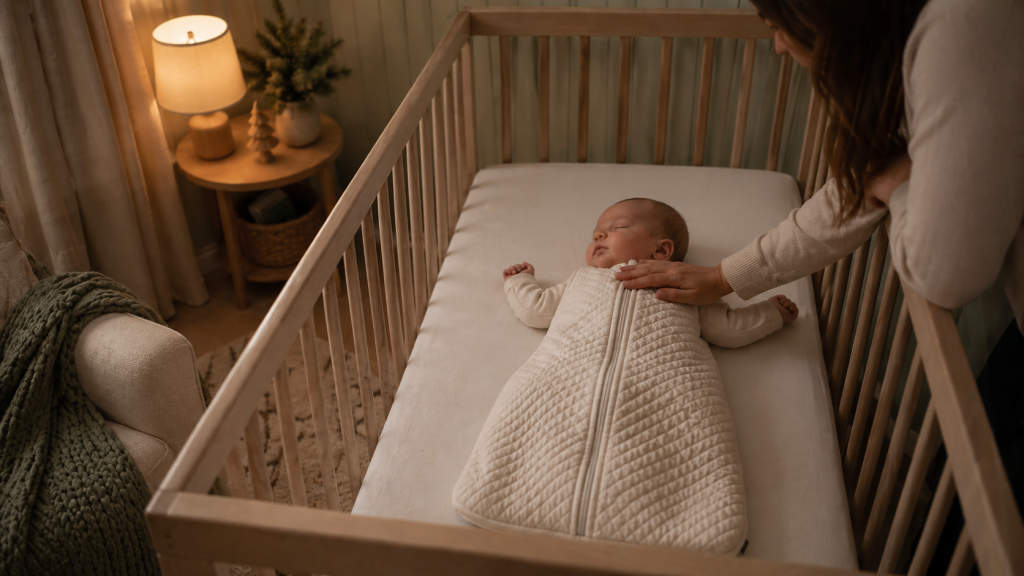
That is where Baby Sleep Sacks For Winter can help. A good sleep sack keeps your baby cozy without loose blankets in the crib, which matters because the American Academy of Pediatrics recommends keeping loose bedding out of an infant’s sleep space.
In this guide, you’ll learn how to choose a winter sleep sack, understand TOG ratings, layer safely, spot overheating, and compare helpful Amazon options.
Why Baby Sleep Sacks For Winter Matter
Winter baby sleep is a balancing act. You want warmth, but you do not want to pile on blankets like you’re packing a suitcase for the Arctic.
A baby sleep sack, also called a wearable blanket, gives steady warmth while keeping your baby’s face, neck, and sleep area clear. The CDC also notes that wearable blankets or sleep sacks are safe alternatives when parents worry about babies getting cold during sleep.
Think of it like a cozy sleeping bag made for crib safety. Simple, snug, and much less chaotic than chasing kicked-off blankets at 3 a.m.
What Is a Baby Sleep Sack?
A baby sleep sack is a wearable blanket that zips around your baby’s body while leaving the head uncovered. Most designs allow leg movement, and many are sleeveless to reduce overheating.
Sleep Sack vs. Swaddle
A swaddle wraps the arms. A sleep sack usually leaves arms free. That difference matters once your baby starts showing signs of rolling. If you’re still using swaddles in the early weeks, this newborn blanket swaddle guide can help you understand safe, gentle wrapping before the transition.
The Safe Sleep Rule Parents Should Remember
A bare crib is not boring. It is protective.
The AAP recommends babies sleep on their backs, on a firm, flat, non-inclined surface, without pillows, quilts, comforters, loose blankets, or soft objects in the sleep area.
So instead of adding a blanket, choose safe newborn winter sleepwear: a fitted base layer plus a wearable blanket for baby.
Understanding TOG Ratings Without Overthinking It
TOG measures warmth. The bigger the TOG rating, the more warmth the sleep sack provides.
For many cool rooms, a 2.5 TOG sleep sack is a common winter choice. Some brands recommend 2.5 TOG for rooms around 61°F to 68°F.
Simple TOG Guide
- 0.5 TOG: warm rooms
- 1.0 TOG: mild rooms
- 1.5 TOG: moderate rooms
- 2.5 TOG: cooler winter rooms
- 3.5 TOG: very cold rooms, only when needed
Always check the brand’s temperature chart because fabrics and designs vary.
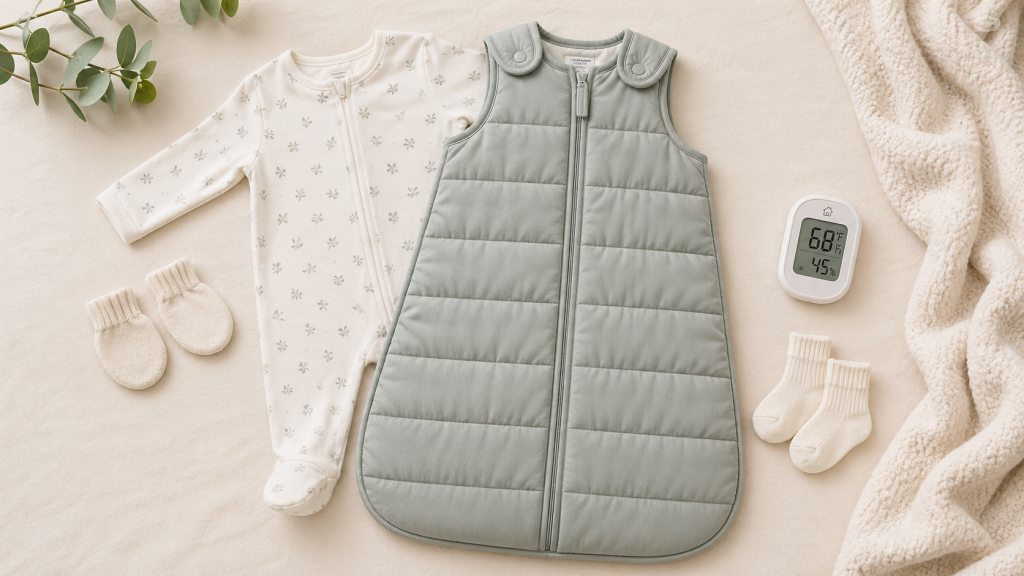
How to Dress Your Baby Beneath a Winter Sleep Sack
A simple rule is to dress your baby in one extra layer compared to what feels comfortable for you in the same room. The AAP gives similar guidance and warns that overheating can raise sleep risks.
For a cool nursery, you might use:
- Cotton footed pajamas under a 1.5 TOG sack
- Long-sleeve bodysuit under a 2.5 TOG sack
- Pajamas plus socks only if the room truly feels cold
Skip indoor hats after leaving the hospital. Babies release heat through the head, and a hat can make overheating easier.
How to Tell If Your Baby Is Too Warm or Too Cold
Do not rely only on hands and feet. Newborn hands can feel chilly even when the body is comfortable.
Check your baby’s temperature by gently touching the back of their neck or the top of their chest.
Baby May Be Too Warm If You Notice:
- Sweaty neck
- Hot chest
- Flushed skin
- Damp hair
- Fast breathing
Baby May Be Too Cold If You Notice:
- Cool chest or back
- Fussiness that settles with warmth
- Cold room temperature
- Thin layers that do not match the season
When in doubt, adjust one layer at a time. Babies are not lasagna. More layers do not always make things better.
Choosing the Right Size
A winter sleep sack should fit at the neck, shoulders, and armholes. If the neck opening is too wide, fabric can ride up. If the sack is too small, your baby may not have enough room to bend and move their legs.
Look for:
- Weight-based sizing
- Snug shoulder fit
- No loose fabric near the face
- Roomy hip and leg area
- A zipper guard near the chin
The goal is “secure,” not “squeezed.”
Best Fabrics for Cold Weather Baby Sleepwear
Fabric affects comfort, warmth, and breathability.
Cotton
Cotton feels gentle against a baby’s skin, allows air to move through, and is simple to clean. It is also a good choice for little ones with delicate or easily irritated skin.
Fleece or Plush
Fleece sleep sacks feel warmer and cozier, but they can run hot in heated homes. Use them carefully if your nursery stays warm.
Merino Wool
Merino wool can help regulate temperature and wick moisture. It is often pricier, but many parents like it for changing seasons.
Bamboo Viscose or Rayon
Bamboo-based fabrics feel silky and breathable. They can be nice for babies who run warm, but check the TOG before assuming it is winter-ready.
Baby Sleep Sacks For Winter: Product Picks
1. Baby Deedee Sleep Nest Teddy – Baby Sleep Sack 2.5 TOG
This warm sherpa-inspired baby sleep sack has a gentle cotton lining and easy-to-use patented shoulder snaps. It is a strong pick for colder nurseries where parents want a cozy 2.5 TOG winter sleep sack.
Features: 2.5 TOG, sherpa faux fur, cotton lining, shoulder snaps.
Best for: colder rooms, babies who need extra warmth, parents who like easy shoulder access.
2. HALO Sleepsack Plush Dot Velboa Wearable Blanket, TOG 1.5
This HALO option uses plush fabric, an inverted zipper for diaper changes, and a roomy shape designed not to restrict the legs. The listing also notes a sleeveless design to help reduce overheating.
Features: 1.5 TOG, inverted zipper, roomy leg area, plush texture.
Best for: mildly cool rooms, swaddle transition, everyday winter use in heated homes.
3. Woolino 4 Season Ultimate Baby Sleep Sack
The Woolino sleep sack uses merino wool lining and an organic cotton outer. Amazon’s listing describes it as temperature-regulating and sized for babies from 2 months to 2 years.
Features: merino wool lining, organic cotton outer, adjustable sizing.
Best for: parents who want one all-season sleep sack, babies in changing climates, long-term use.
4. Hudson Baby Unisex Baby Plush Sleeping Bag, Sack, Blanket
This budget-friendly plush wearable blanket is soft, cozy, and designed for everyday use. The listing mentions plush fabric, a zipper protector, and a gentle feel on baby’s skin.
Features: plush fabric, zipper protector, soft feel.
Best for: affordable winter backup, daycare extras, keeping a spare sleep sack ready.
5. Love to Dream Swaddle UP Transition Bag Warm 2.5 TOG
This transition sleep sack has zip-off wings, making it helpful when moving from swaddling to arms-free sleep. The listing says the 2.5 TOG fabric is designed for cool room temperatures around 61°F to 68°F.
Features: 2.5 TOG, zip-off wings, two-way zipper, cotton blend.
Best for: swaddle transition, babies who like arms-up comfort, cooler winter rooms.
What to Avoid in Winter Sleep Sacks
Not every cozy-looking product belongs in a crib.
Avoid:
- Weighted sleep sacks
- Loose blankets
- Oversized sleep sacks
- Tight leg designs
- Thick layers plus a high-TOG sack in a warm room
- Hoods, hats, or strings during sleep
The CDC clearly states that weighted sleepers, swaddles, sleep sacks, and blankets are not safe for infants.
Switching From Swaddle to Sleep Sack
Many parents move from swaddling to a sleep sack once their baby begins trying to roll over. That transition can feel dramatic, especially if your baby loved being wrapped.
Try this:
- Start with naps first
- Use a familiar bedtime routine
- Choose a cozy but arms-free sleep sack
- Give your baby a few nights to adjust
- Keep the crib setup consistent
Some babies protest. That does not mean you failed. It means your tiny roommate has opinions.
Nighttime Diaper Changes Made Easier
Winter diaper changes can wake everyone in the house, including the family dog who has no business being involved.
Look for a sleep sack with:
- Two-way zipper
- Inverted zipper
- Zipper cover near the chin
- Easy shoulder snaps
- Machine-washable fabric
A practical zipper matters more than cute prints at 2:17 a.m. Cute prints are lovely. Quick diaper access is survival.
How Many Sleep Sacks Should You Have for Winter?
Two is the practical minimum. Three is nicer.
Babies spit up. Diapers leak. Laundry disappears into that strange household black hole where baby socks also go.
A simple setup:
- One in use
- One clean backup
- One extra for daycare, travel, or laundry delays
Research-Backed Safe Sleep Notes
When choosing Baby Sleep Sacks For Winter, the main goal is not just warmth. It is safe warmth. The American Academy of Pediatrics explains in its 2022 safe infant sleep recommendations that babies should sleep on their backs, on a firm and flat surface, with no loose blankets, pillows, quilts, or soft items in the crib. This is why a properly fitted wearable blanket can be a safer choice than adding a regular blanket during cold nights.
The CDC also supports this approach in its safe sleep guidance for babies. It notes that wearable blankets, including sleep sacks, can be used when parents worry their baby may get cold. However, it also warns against weighted sleep sacks, weighted swaddles, and weighted blankets for infants. So, the best winter sleep sack is warm, breathable, unweighted, and correctly sized.
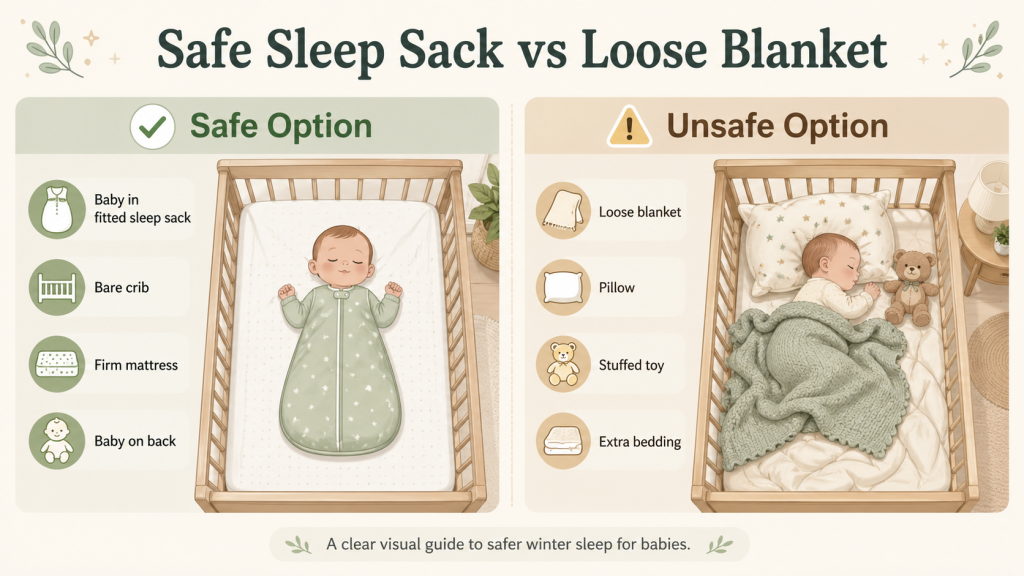
Common Mistakes Parents Make
The most common winter mistake is adding too much. A thick pajama, socks, fleece sack, heater, and hat can turn cozy into risky.
Other mistakes include buying a size too big “to grow into,” using a blanket over the sleep sack, or ignoring room temperature.
Your baby does not need a perfect nursery. They need a safe one.
Quick Buying Checklist
Before buying Baby Sleep Sacks For Winter, ask:
- Is the TOG right for the room?
- Does the size match my baby’s weight and height?
- Are the neck and armholes secure?
- Is the fabric breathable?
- Is it easy to wash?
- Does it avoid weights, hoods, cords, and loose parts?
If you can say yes to these, you’ve found a solid choice.
FAQs About Baby Sleep Sacks For Winter
Are Baby Sleep Sacks For Winter safe for newborns?
Yes, when they fit correctly and replace loose blankets. Choose the right size, keep your baby on their back, and use a firm, bare sleep surface.
What clothes should a newborn wear beneath a winter sleep sack?
Most newborns do well with a fitted cotton pajama or long-sleeve bodysuit under the sleep sack. Match the layer to the room temperature and TOG rating.
Is a 2.5 TOG sleep sack too warm for a newborn?
Not if the room is cool enough. A 2.5 TOG sleep sack is usually meant for cooler rooms, often around 61°F to 68°F, but always check the brand’s guide.
Can my baby sleep in a fleece sleep sack all night?
Yes, if the room is cool and your baby is not overheating. Check the neck or chest for sweat, heat, or flushed skin.
At what age should my baby stop sleeping in a sleep sack?
Many babies use sleep sacks into toddlerhood. Stop when the product no longer fits safely, your child outgrows the size, or they need a toddler-safe sleepwear option.
Conclusion
Baby Sleep Sacks For Winter can make cold nights feel less stressful. Choose the right TOG, use breathable layers, avoid loose bedding, and watch for overheating. A sleep sack is not about making your baby “extra bundled.” It is about giving them steady warmth in a safer, simpler way.
Parenting a newborn in winter comes with enough guesswork. With the right sleep sack and a safe crib setup, bedtime can feel a little calmer, a little cozier, and a lot less like a midnight science experiment.