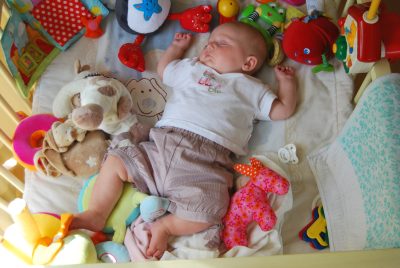
5 Baby Night Lights That Promote Better Sleep
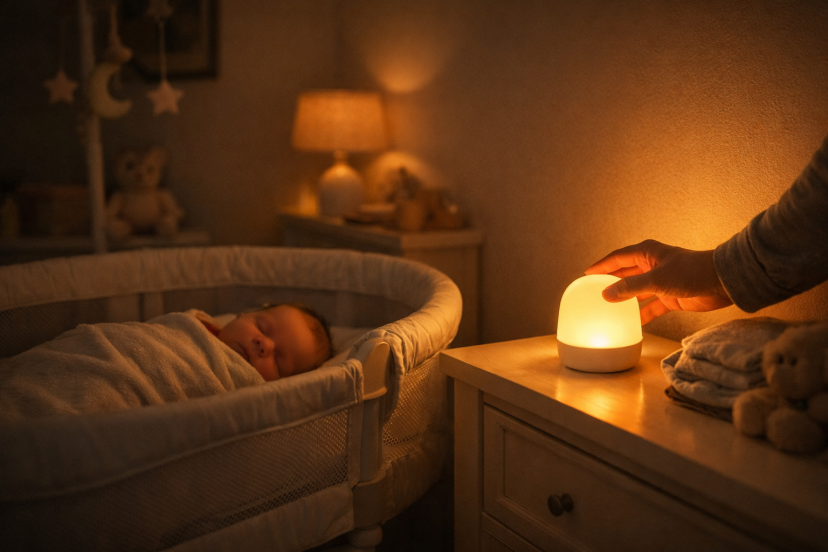
We may earn a commission for purchases made using our links. Please see our disclosure to learn more.
Some nights with a newborn feel oddly quiet and wildly chaotic at the same time. You are half-awake, hunting for a diaper, trying not to fully wake the baby, and praying you do not stub your toe on the rocker again. That is where Baby Night Lights can genuinely help. Not because a tiny lamp will magically make your baby sleep through the night, but because the right light can make nighttime care feel calmer, softer, and much less overstimulating.
This guide will help you figure out what kind of light actually works in a nursery, what to avoid, how to use it safely, and which Amazon options are worth a look. The goal is simple: help you build a nighttime setup that supports your baby’s sleep rhythm and saves your own sanity too. HealthyChildren says newborns often sleep about 16 to 17 hours a day, just not in long, predictable stretches, which is exactly why small nighttime tools matter so much.
Why Newborn Nights Feel So Hard
Newborn sleep is not broken. It is just newborn sleep.
In the early weeks, babies wake often because they need to eat often. Their bodies are still learning the difference between day and night, and their sleep cycles are much shorter than yours. That is why a bright overhead light at 2 a.m. can feel like a rude plot twist for everyone involved. HealthyChildren notes that babies do not have regular sleep cycles until around 6 months, and newborns may sleep only 1 to 2 hours at a time even though total daily sleep is high.
What Baby Night Lights Actually Do
The best Baby Night Lights do one simple job really well: they let you see what you need to see without turning the whole room into daytime.
That means easier diaper changes, calmer feeds, faster resettling, and less stimulation for both you and your baby. Think of them like whisper-level lighting. Not dramatic. Not flashy. Just enough.
How Light Affects Your Baby’s Sleep Rhythm
Light is one of the signals the body uses to organize sleep and wake patterns. A 2024 scoping review in the European Journal of Pediatrics found that cycled lighting supports infant circadian rhythm development, and the review linked appropriate light-dark patterns with better nighttime sleep and daytime wakefulness.
That does not mean your nursery needs to look like a sleep lab. It simply means nighttime care works better when the room stays dim and calm. KidsHealth also advises parents to keep lights low during nighttime feeds and diaper changes so babies get the message that night is for sleeping.
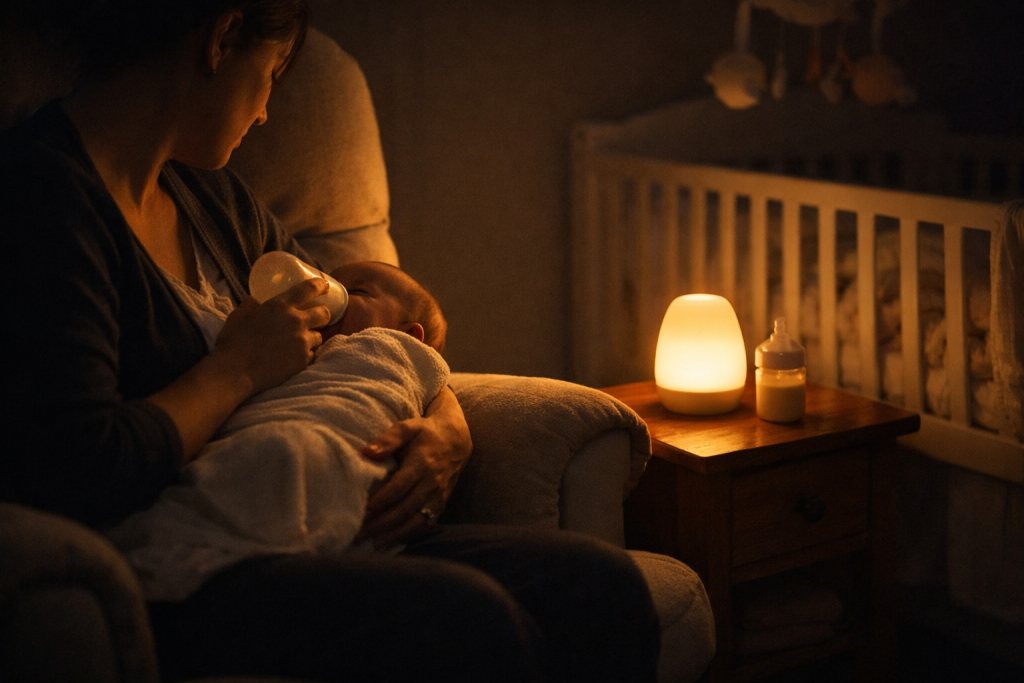
What to Look for in Baby Night Lights
A good nursery light should make life easier, not add another tiny gadget headache.
Look for:
- Dimmable brightness so you can keep the room truly low-light
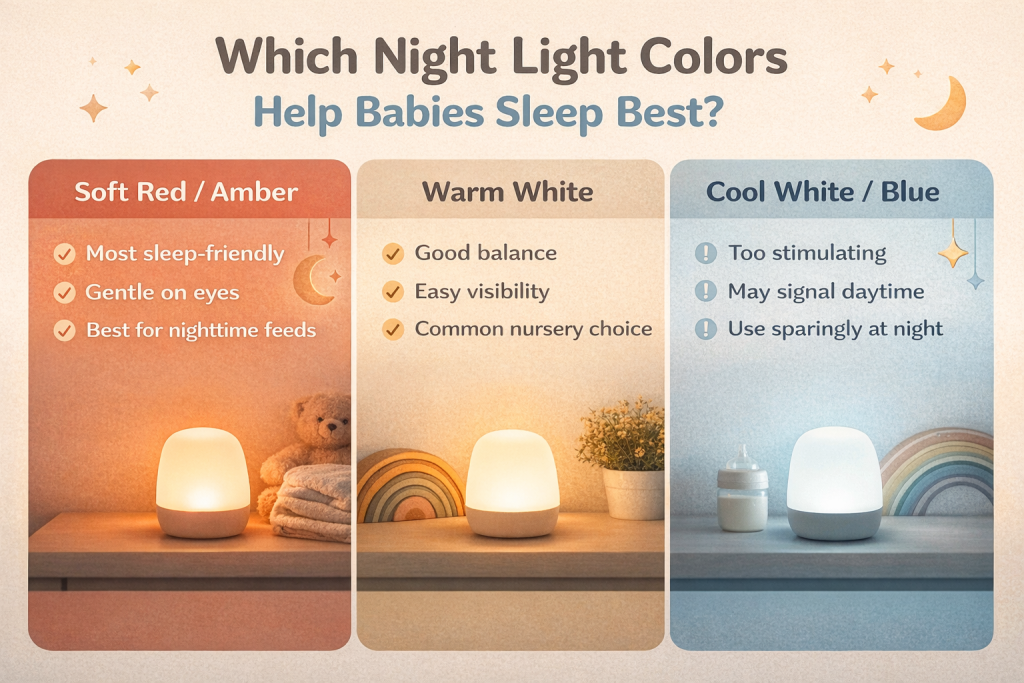
- Warm or amber tones instead of harsh blue-white light
- Portable or rechargeable design if you move around during feeds
- Simple controls because no one wants a complicated app at 3 a.m.
- Stable placement so it stays safely away from the sleep space
If it feels like a nightclub lamp, it is probably not your best nursery pick.
Warm vs. Cool Light at Night
Warm light usually makes more sense for newborn care.
Soft amber, warm white, or low red tones feel gentler at night and are less jarring than bright blue-white light. Even if your baby can sleep through almost anything one week, that may change fast. A softer glow usually gives you more flexibility.
For many parents, the sweet spot is “bright enough to find the wipes, dim enough not to start the day.”
Safety Rules Before You Plug One In
This part matters more than the cute factor.
The American Academy of Pediatrics says babies should sleep on a firm, flat sleep surface with no loose items in the sleep space, and the Consumer Product Safety Commission warns that cords should be kept at least 3 feet away from the crib, bassinet, or play yard.
So when using Baby Night Lights, keep these rules in mind:
- Do not place lamps inside the crib or bassinet
- Keep cords and chargers well away from the sleep area
- Skip anything that gets hot, tips easily, or hangs within reach
- Use the light for visibility, not as a crib accessory
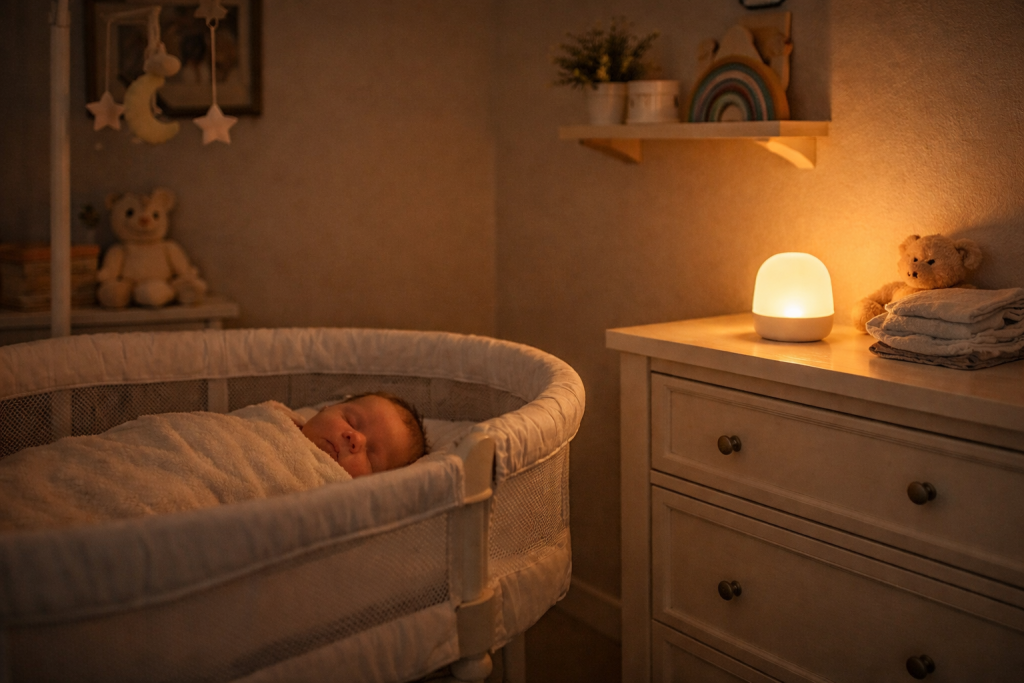
Best Places to Use a Night Light
The best location is usually near the care zone, not directly over the baby.
A side table by the glider, a dresser near the changing pad, or a shelf across the room often works better than placing light right next to the bassinet. You want enough glow to handle feeds and diapers, but not a spotlight shining on your baby’s face.
If you room-share, a portable light is especially handy because you can angle it where you need it and keep the rest of the room dark.
When a Baby Night Light Helps Most
A nursery light earns its keep during the moments that usually feel clumsy and loud:
- late-night feeds
- diaper changes
- checking swaddles or sleep sacks
- quick comfort without fully waking the room
- moving between nursery and bedside bassinet
In other words, it helps most when you are trying to stay calm, quiet, and efficient while running on very little sleep and one heroic brain cell.
When a Night Light Can Backfire
A light becomes a problem when it is too bright, too stimulating, or left on in a way that makes the room feel active instead of sleepy.
If your baby seems more alert after feeds, if the room never really gets dark, or if you are using changing colors all night because they look cute, it may be worth simplifying. Calm sleep spaces usually work better than overly busy ones. The goal is comfort, not entertainment.
5 Baby Night Lights Worth Considering
Hatch Baby Sound Machine, Night Light
This is a good fit for parents who want an all-in-one nursery tool instead of separate gadgets. It combines a night light with sound features and routine support.
- Best for: families building a full bedtime setup
- Standout features: night light, sound machine, white noise, routine builder, Wi-Fi features
JolyWell Night Light for Kids, Baby Night Light
This egg-style light is popular for a reason. It is simple, portable, and easy to use with sleepy hands.
- Best for: parents who want a soft rechargeable nursery light
- Standout features: stepless dimming, 7 color modes, 1-hour timer, touch control
MediAcous Night Light for Kids, Baby Egg Light for Nursery
This one works nicely if you want a budget-friendlier portable option with a soft silicone feel.
- Best for: diaper stations, nursing corners, and flexible nighttime use
- Standout features: rechargeable design, stepless dimming, 7 colors, 1-hour timer
G Keni Nursery Night Light for Baby
This is a straightforward choice if you want warm light without a lot of extras. It feels practical, portable, and low-fuss.
- Best for: parents who want simple touch controls and a warm bedside glow
- Standout features: portable LED touch lamp, USB rechargeable, dimmable warm light
Frida Baby 2-in-1 Portable Sound Machine for Baby + Nightlight
This one makes the most sense for travel, stroller walks, or moving between rooms. It is not just for the nursery.
- Best for: on-the-go families or parents who want one portable tool
- Standout features: 5 soothing sounds, 3 nightlight modes, travel-friendly design, stroller attachment
What Research Says About Light and Infant Sleep
A useful takeaway from the 2024 scoping review on infant circadian rhythm establishment is that consistent light-dark patterns appear to help babies organize sleep and wake rhythms over time. That supports the idea of keeping daytime bright and nighttime dim instead of blasting overhead lights for every wake-up.
An earlier 2012 actigraphic study on light and infant circadian entrainment also explored the connection between environmental light exposure and infant rest-activity rhythms, reinforcing that light is not just background decor. It is one of the cues babies use while their internal clocks are still developing.
How to Build a Calmer Bedtime Routine
The night light is only one piece of the puzzle, but it can support a better flow.
Try this simple pattern:
- keep daytime light bright and active
- dim the room before bedtime
- use the same soft light for feeds and diaper changes
- keep voices low and movements boring
- put baby back down on a safe sleep surface once care is done
Boring is underrated here. At night, boring is beautiful.
Pacifiers, Sleep Cues, and Gentle Transitions
Many families use pacifiers as part of the bedtime routine, and that can work well for a while. But eventually, some babies start depending on the pacifier so much that every little wake-up becomes a “find it for me” event.
If that sounds familiar, this guide on signs it may be time to stop the pacifier can help you think through the transition without turning bedtime into a full emotional summit.
Signs Your Current Setup Needs Tweaking
Your nursery lighting may need a reset if:
- your baby seems wide awake after every night feed
- you keep needing overhead lights to do basic tasks
- cords or lamps are too close to the crib
- the light is so dim you are basically guessing at diaper tabs
- the setup works in theory but annoys you in real life
That last one counts. A good system should help the parent too.
FAQs
Are Baby Night Lights safe for newborns?
Yes, they’re safe when used properly. Keep the light outside the crib or bassinet, keep cords at least 3 feet away, and follow safe sleep guidance from the AAP and CPSC.
What color night light is ideal for a baby?
Soft warm, amber, or low red light is usually the most sleep-friendly choice. Bright cool white light can feel too stimulating during nighttime care.
Is it okay to keep a baby night light on throughout the night?
Usually, a very dim light or short-term use during feeds and diaper changes works best. The room should still feel like night, not like early morning.
Will Baby Night Lights help your baby stay asleep all night?
Not directly. They do not cause longer sleep on their own, but they can support a calmer nighttime routine and reduce stimulation during wake-ups.
Where should you place a night light in the nursery?
Place it near the changing table, nursing chair, or dresser rather than right beside the baby’s sleep surface. That gives you visibility without shining light directly into the crib.
The best Baby Night Lights are not the fanciest ones. They are the ones that make your nights smoother, your nursery calmer, and your baby’s sleep space feel gentle instead of busy. Start with soft light, keep safety first, and choose something that works for your actual life, not just a pretty nursery photo. When the nights feel long, little changes like this can make a surprisingly big difference.