The Best Fabrics For Baby Clothes + What To Avoid
We may earn a commission for purchases made using our links. Please see our disclosure to learn more.
You know that moment when you pull a brand-new baby outfit out of the package and think… Why does this feel both adorable and suspiciously scratchy? Yeah. Baby skin doesn’t do “tough love.” It does soft, breathable, gentle—or it gets cranky fast.
If you’ve been wondering Best Fabrics For Baby Clothes (and which ones to side-eye), you’re in the right place. We’ll walk through the coziest options for sensitive skin, what to buy for each season, how to read confusing labels, and what to avoid when you want fewer rashes, fewer overheating moments, and fewer laundry regrets.
Heads-up: This article includes an affiliate product section (which may earn a small commission at no extra cost to you).
The “Touch Test” Quick Cheat Sheet
If you only have 20 seconds in a store aisle (or you’re shopping at 2 a.m. with one hand), here’s the fast version:
- Safest everyday bets: organic cotton, soft cotton jersey, muslin, modal/TENCEL
- Best for heat: muslin, linen, lightweight cotton
- Best for chilly weather: merino wool layers (when it’s superfine), cotton fleece (carefully)
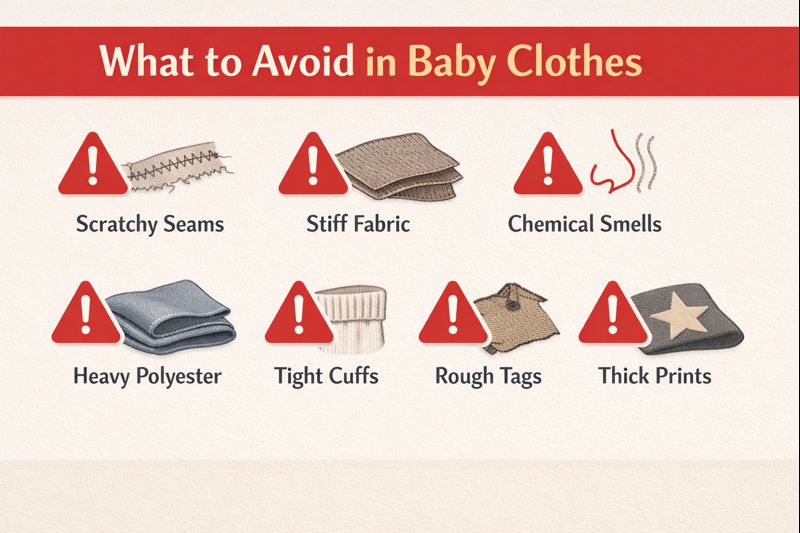
- Most likely to annoy sensitive skin: scratchy synthetics, stiff polyester blends, rough seams, heavy dyes/finishes
And here’s my favorite mom/dad hack: rub the fabric against the inside of your wrist or the side of your neck. If it feels even slightly irritating to you, it’s probably not baby’s best friend.
What Makes a Fabric Baby-Friendly?
Let’s talk about what baby skin actually needs—because “cute” isn’t a fabric feature.
Breathability matters more than you think
Babies can’t regulate temperature as smoothly as adults, so breathable fabrics help them stay comfortable instead of sweaty and fussy.
Softness isn’t just comfort — it’s irritation prevention
Rough fibers, stiff seams, and scratchy tags can cause redness or friction fast, especially for babies prone to eczema.
Washability is part of safety
Baby clothes get washed a lot. The best fabrics hold up without turning stiff or rough after five rounds of spit-up and detergent.
Organic Cotton: The Everyday MVP
If I had to crown one winner for most babies, most days, most seasons—it’s organic cotton baby clothes.
Organic cotton tends to feel softer (especially when it’s combed or ring-spun), and it’s usually made with fewer harsh processing chemicals compared to conventional cotton. It’s also breathable and absorbent, which helps with sweat and drool—aka baby’s main hobbies.
Best uses for organic cotton
- Bodysuits and sleepers (daily uniform)
- Pajamas for sensitive skin
- Undershirts for layering
- Summer outfits that won’t trap heat
Regular Cotton vs Organic Cotton (Is It Worth It?)
Regular cotton can still be a great choice—especially in soft knits like jersey. The “worth it” question usually comes down to two things: sensitive skin and how the fabric is finished.
If your baby gets dry patches, redness, or eczema flare-ups, organic cotton can be a gentler, more predictable option. Dermatologists often recommend 100% cotton for kids with eczema because it’s soft and less irritating than wool or many synthetics.
That said: a super-soft conventional cotton onesie can still beat a stiff organic one. Feel the fabric, check the seams, and trust the touch test.
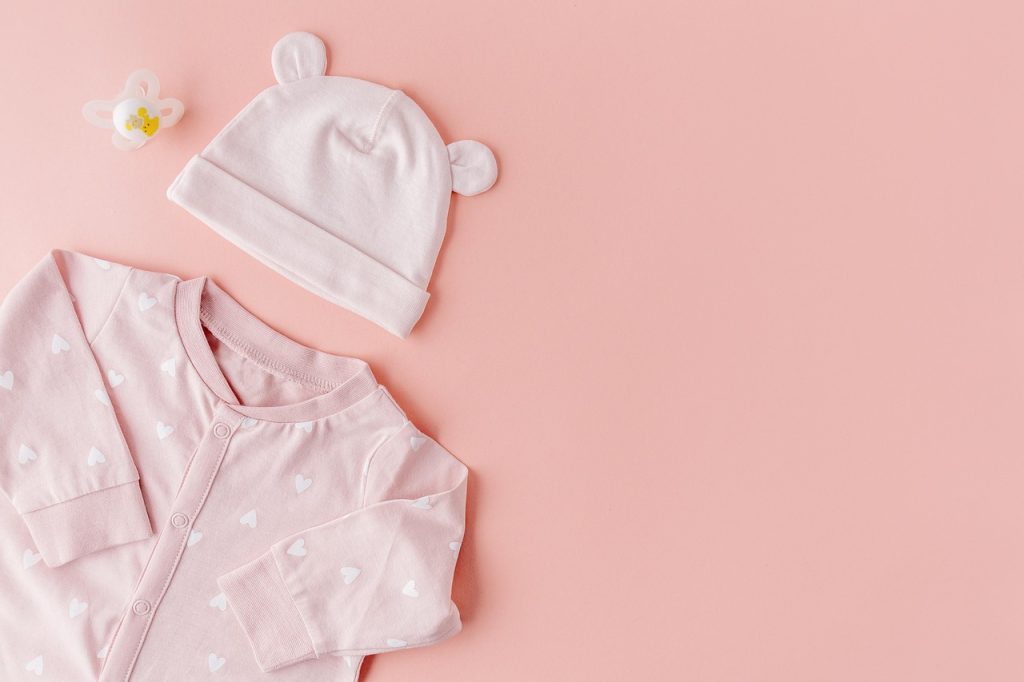
Bamboo Viscose: Soft, Breathable, and a Bit Complicated
Bamboo baby pajamas get hyped for a reason: they feel buttery-soft and drape nicely, which helps reduce friction on sensitive skin.
But quick truth: most “bamboo” clothing is actually bamboo viscose/rayon, meaning bamboo gets chemically processed into a regenerated fiber. That doesn’t automatically make it “bad,” but it does mean you should shop carefully.
What bamboo viscose does well
- Feels very smooth (nice for sensory-sensitive babies)
- Breathable and lightweight
- Great for sleepers and stretchy pajamas
What to watch
- Look for OEKO-TEX certified baby clothes or similar safety testing if you’re worried about residues or finishes. OEKO-TEX Standard 100 tests textiles for harmful substances (and applies especially strict requirements for products for babies).
- Avoid anything that feels “slick but hot.” Some blends trap warmth.
Modal & TENCEL Lyocell: The “Silky T-Shirt” Fabrics
Modal and TENCEL™ Lyocell are like bamboo’s slightly more grown-up cousins: smooth, breathable, and often less “clingy” than cheap synthetics.
They work beautifully for:
- Pajamas (especially if baby runs warm)
- Layering pieces
- Soft leggings or stretchy tops
If your baby hates stiff waistbands or tight collars, these fabrics can feel like a gentle hug instead of a wrestling match.
Merino Wool: Warm Without the Sweat
I know—wool sounds like the itchy sweater your aunt forced you to wear in childhood photos. But superfine merino wool is different. It can regulate temperature and move moisture away from the skin.
And here’s the interesting part: a randomized crossover study in young children with mild-to-moderate atopic dermatitis compared superfine merino wool outfits to cotton outfits. The study found merino wool ensembles were associated with reduced eczema severity scores compared to cotton during the trial period.
Best uses for merino (baby edition)
- Cold-weather base layers
- Outdoor winter outings
- Travel days when temperatures swing
If your baby has very sensitive skin, choose superfine merino and avoid rough wool. Also skip heavy seams and tight cuffs.
Linen: Hot-Weather Hero
Linen doesn’t get enough love for babies, especially in warm climates. It’s breathable and dries fast, which makes it great for sweaty days.
Yes, linen can feel a little crisp at first—but good linen softens nicely after washing. Look for blends like linen-cotton if you want that breezy feel with extra softness.
Muslin: The Light Layer You’ll Use Constantly
Muslin is basically the Swiss Army knife of baby fabrics. It’s lightweight, breathable, and perfect for layering without overheating.
You’ll see muslin used in:
- Swaddles
- Burp cloths
- Lightweight blankets
- Summer rompers and dresses
Muslin is especially helpful if you want breathable baby clothing in warm rooms or humid weather.
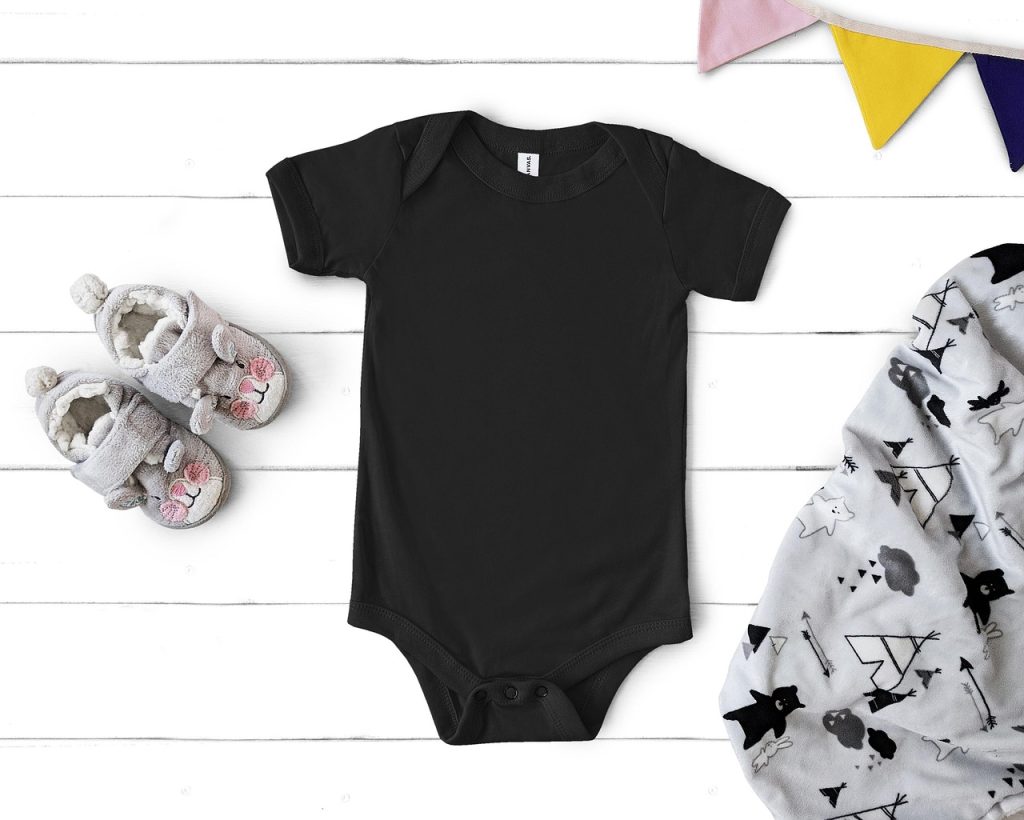
Jersey Knit & Rib Knit: Stretchy Comfort for Wiggle Worms
Jersey knit is what most t-shirts feel like—soft, flexible, and easy to wear. Rib knit adds extra stretch (great for cuffs and snug fits).
Why knits work for baby clothes
- They move with baby (rolling, kicking, surprise yoga)
- They feel softer than many woven fabrics
- They layer easily
If you’re shopping for newborn outfits, jersey cotton is one of the best “grab without thinking” choices.
Terry, French Terry, and Fleece: Cozy, But Choose Wisely
French terry can be wonderful—soft loops inside, breathable enough for cool days. Fleece can be cozy too, but it often comes in synthetic versions that hold heat.
A safer cozy rule
- French terry cotton > polyester fleece for breathability
- If you do fleece, keep it for quick outings, not long sleeps (especially for babies who run warm)
Blends, Spandex, and Stretch: How Much Is Too Much?
A tiny bit of elastane/spandex can make baby clothes fit better and last longer—especially in cuffs and waistbands.
But big blends (like “cotton rich” with lots of polyester) can trap heat and feel less breathable.
If your baby gets sweaty easily, keep blends minimal and prioritize soft, breathable fibers.
Fabrics and Finishes to Avoid (or Use Carefully)
Not every synthetic fabric is evil… but some are more likely to cause trouble.
Polyester-heavy outfits
Polyester can hold heat and sweat, which may irritate sensitive skin. Dermatologists often recommend cotton and suggest avoiding synthetics like polyester for children with eczema triggers.
Scratchy textures + stiff seams
Even “natural” fabrics can irritate if the weave is rough or the seams are bulky.
Heavy dyes and strong chemical smells
If it smells like a factory, treat that as a warning label. Wash before first wear—and consider fragrance-free detergent.
Baby Clothes and Swaddles Made With Great Fabrics
Below are five Amazon picks that match the “soft + breathable + practical” checklist. (These links are in the Products section so you can easily compare.)
1) Burt’s Bees Baby Sleep and Play (Organic Cotton)
Why it’s good: Soft organic cotton baby clothes that work as an everyday sleeper (zippers = sanity).
Features: Breathable knit, cozy feel, easy-on design.
Best for: Daily wear, naps, nighttime, sensitive skin families.
2) Luvable Friends Baby Bodysuits, 5-Pack (100% Cotton)
Why it’s good: Simple, soft cotton basics you’ll rotate constantly.
Features: Comfortable cotton knit, practical everyday fit.
Best for: Layering, daycare outfits, quick changes.
3) Luvable Friends Baby Sleep and Play, 2-Pack (100% Cotton)
Why it’s good: A budget-friendly way to stock up on breathable sleepers.
Features: Soft cotton, easy “one-piece outfit” life.
Best for: Parents who want backups (you will).
4) KeaBabies Organic Swaddle Sleep Sacks (Organic Cotton)
Why it’s good: Organic cotton that feels gentle and breathable for swaddling phases.
Features: Soft stretch, secure fit, multiple sizes.
Best for: Newborn swaddling, nap routines, calmer transitions.
5) The Ollie Swaddle
Why it’s good: Smooth fabric and strong structure for parents who want a consistent swaddle wrap.
Features: Adjustable fit, easy wrap design.
Best for: Babies who break out of classic blankets.
Related read (safety matters too): If you’re also thinking about crib accessories, here’s a helpful crib bumper safety guide to keep your sleep setup breathable and baby-safe.
Research-Backed Notes (with sources)
- Cotton is still the safest “default” for sensitive skin. The American Academy of Dermatology recommends dressing children with eczema in loose-fitting 100% cotton and avoiding wool and synthetic fibers like polyester, which can trigger irritation. (AAD eczema-friendly clothing guidance)
- Superfine merino wool can be surprisingly helpful for some babies with eczema. A 2017 randomized, assessor-blinded crossover trial in children aged 4 weeks to 3 years found that superfine merino wool outfits were associated with lower eczema severity scores compared with cotton during the study periods. (2017 merino wool crossover study in the British Journal of Dermatology)
- Certifications reduce guesswork when labels feel vague. OEKO-TEX® STANDARD 100 is a widely used label for textiles tested for harmful substances, and Product Class I is the strictest category—designed for babies and toddlers up to age 3. (OEKO-TEX® STANDARD 100 overview + Product Class I explained)
FAQs (quick answers you can screenshot)
What is the best fabric for newborn baby clothes?
Go with soft, breathable 100% cotton (especially organic cotton or jersey knit). It’s gentle, easy to wash, and less likely to irritate sensitive skin.
Are bamboo baby clothes safe for sensitive skin?
Often, yes—because bamboo viscose feels very smooth. Just shop carefully, wash before first wear, and look for trusted certifications when possible.
What fabrics should I avoid for baby clothes?
Avoid scratchy textures, stiff polyester-heavy blends, and anything that traps heat or causes sweating. If your baby has eczema, cotton is usually the safest bet.
Is merino wool okay for babies with eczema?
Some babies do well with superfine merino because it helps regulate temperature and moisture. A clinical trial in young children showed improvements versus cotton during the study periods.
How do I keep baby clothes soft after washing?
Use fragrance-free detergent, skip heavy fabric softeners, rinse well, and consider an extra rinse cycle. Also avoid overdrying—heat can make some fabrics feel stiff.
Final takeaway
If you want the safest, easiest answer, choose soft cotton (especially organic cotton) and build from there. Then add muslin for warm weather, cozy knits for everyday comfort, and (if you need it) superfine merino for winter.
Your goal isn’t perfection—it’s comfort. When baby feels good in their clothes, everything else gets just a little easier.