Is Baby Sweating While Sleeping Normal?
We may earn a commission for purchases made using our links. Please see our disclosure to learn more.
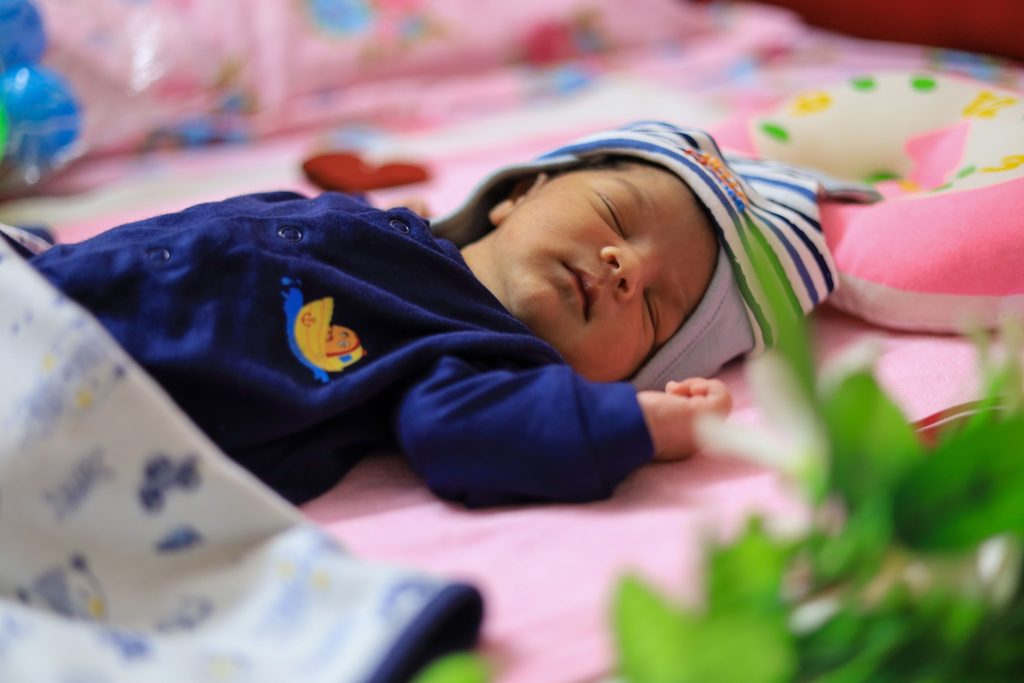
You peek into the crib at 2 a.m., expecting angelic baby sleep, and instead you find damp hair, a warm neck, and your brain instantly opens 47 panic tabs. Baby Sweating While Sleeping can feel scary, especially when your little one cannot tell you, “I’m fine, I just run warm.”
The good news? A little sweating can be normal. Babies are still learning how to regulate body temperature, and sleep can make those tiny furnaces work differently. Still, sweating can also be a clue that your baby is too warm, overdressed, or sleeping in a room that needs adjusting.
In this guide, you’ll learn what is normal, what is not, how to check for overheating, how to dress your baby safely, and when to call your pediatrician.
Why Babies Sweat During Sleep
Babies can sweat for simple reasons. Their nervous system is still developing, their sleep cycles are active, and their heads have many sweat glands. So, yes, sometimes your baby wakes up looking like they just finished baby CrossFit.
Common causes include:
- A warm nursery
- Too many layers
- Heavy sleepwear
- A sleep sack with the wrong TOG
- Body heat from feeding or cuddling before bed
- Natural baby night sweats
Still, the goal is not to stop every bead of sweat. The goal is to keep your baby safely comfortable.
When Baby Sweating While Sleeping Is Usually Normal
Baby Sweating While Sleeping is often less concerning when your baby is otherwise acting normal.
That means they are feeding well, waking normally, breathing comfortably, and do not have a fever. Maybe their hair is damp, but their chest feels comfortably warm rather than hot. Maybe they sweat after nursing, during a warm nap, or after being held against your body.
Think of it like a tiny thermostat still learning the job. Sometimes it overcorrects.
When Sweating Can Mean Baby Is Too Hot
Sweating deserves attention when it comes with signs of overheating. The American Academy of Pediatrics says overheating can increase SIDS risk and lists sweating, a hot chest, and flushed skin as signs to check for.
Watch for:
- Hot chest or back
- Flushed skin
- Damp hair plus a very warm body
- Restless sleep
- Rapid breathing
- Unusual sleepiness
- Fever or illness symptoms
If your baby seems overheated, remove a layer, cool the room safely, and check again.
The Chest-and-Neck Check Parents Should Know
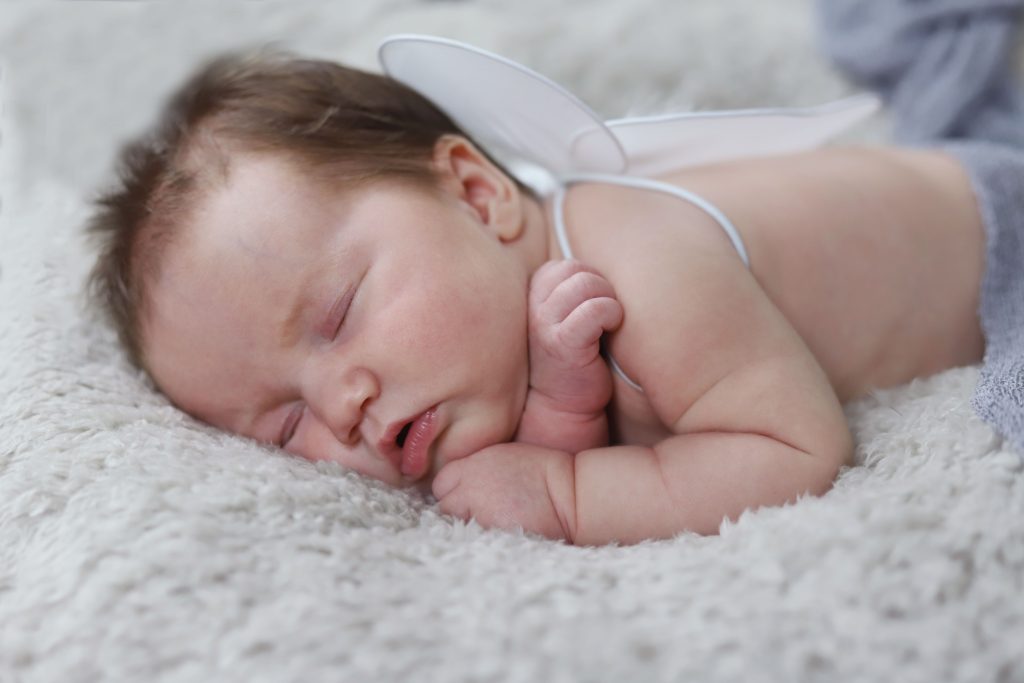
Tiny hands and feet are unreliable little drama queens. They can feel cool even when your baby’s core temperature is fine.
Instead, feel the back of the neck or the chest of your infant. NHS guidance also recommends checking the chest or back of the neck and not worrying too much if hands or feet feel cool.
A good rule:
- Comfortably warm: usually okay
- Hot or sweaty: remove a layer
- Cold chest: add a light layer
- Feverish or hard to wake: call for medical advice
Safe Sleep Temperature Without Turning Into a Thermostat Goblin
You do not need to stare at the room thermometer like it owes you money. However, the room temperature helps.
According to the NHS, a baby’s nursery should be kept between 16°C and 20°C (61°F and 68°F), with a room thermometer to monitor the temperature.
That said, homes vary. Some families live in humid apartments, some in drafty houses, and some in places where summer laughs at your air conditioner. Use the number as a guide, then check your baby’s body.
How to Dress Your Baby for Sleep
The simplest dressing rule is this: your baby usually needs only one more layer than you would wear in the same room. The AAP gives this same general layering advice and warns against overheating.
Try this:
- Warm room: short-sleeve bodysuit or light pajamas
- Mild room: cotton pajamas plus light sleep sack
- Cooler room: footed pajamas plus appropriate TOG sleep sack
- Avoid hats indoors after the newborn hospital period
Breathable baby pajamas help, but layers matter more than labels.
Bedding, Sleep Sacks, and the No-Loose-Blankets Rule
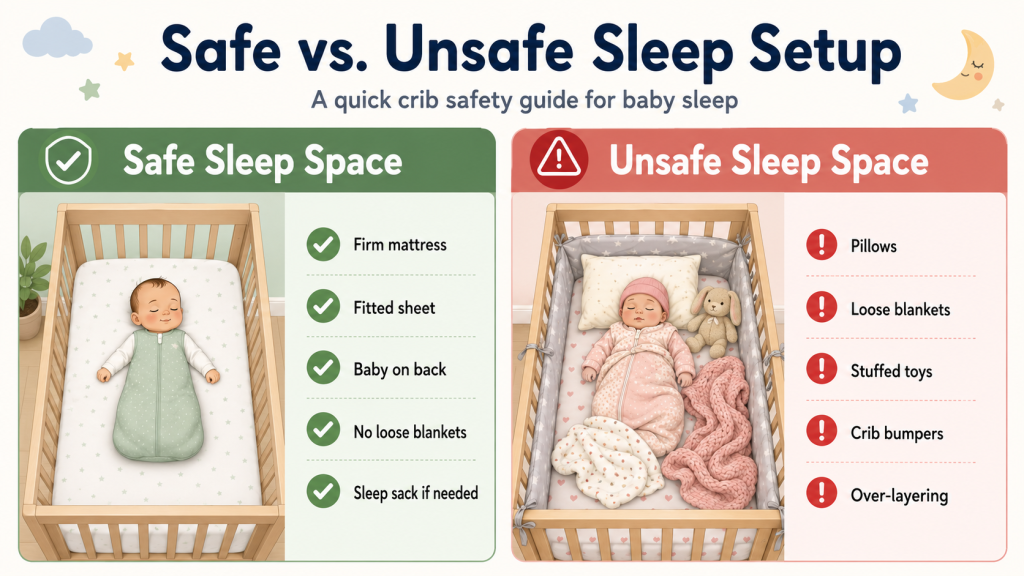
Loose blankets may look cozy, but safe sleep is beautifully boring: firm mattress, fitted sheet, baby on their back, no pillows, toys, bumpers, or loose bedding.
The CDC advises placing babies on their backs, using a firm flat sleep surface, and keeping soft bedding out of the sleep area. It also reported about 3,700 sleep-related infant deaths among U.S. babies in 2022.
A wearable blanket or sleep sack can be safer than loose blankets when it fits properly. For older little ones, this guide to a safe toddler sleeping bag for comfort and safety can help you understand warmth, fit, and sleep comfort.
Why Baby Sweating on the Head Happens
A sweaty baby head is common because babies lose heat through the head and have active sweat glands there. You may notice it most during naps, feeding, or warm nights.
However, if the sweaty head comes with poor feeding, breathing trouble, bluish lips, fever, or extreme tiredness, do not brush it off as “just sweat.” That is pediatrician territory.
A little damp hair? Often normal. A baby who seems unwell? Get help.
Warm Weather Tips for Safer Baby Sleep
Summer baby sleep can feel like a puzzle with no picture on the box.
Try:
- Use lightweight cotton or bamboo sleepwear
- Choose a lower TOG sleep sack
- Keep direct sun off the sleep area
- Use a fan for air circulation, pointed away from baby
- Avoid covering strollers or cribs with thick blankets
- Offer feeds as usual to support hydration
Never place a baby directly in front of strong air conditioning or a heater. Gentle comfort beats extreme cooling.
Winter Overheating Is a Real Thing, Too
Oddly enough, overheating often happens in winter because parents worry their baby is cold.
The room is heated. Baby has fleece pajamas. Then a thick sleep sack. Then maybe socks. Suddenly your tiny burrito has become a steamed dumpling.
Instead of piling on layers, use one safe wearable blanket and check the chest or neck. If your baby is sweating, remove something. Warm is good. Hot is not.
Research-Backed Notes on Heat, Sleep, and SIDS
A 2022 hyperthermia and infant sleep review explained that thermal stress may increase SIDS risk directly through dangerous overheating or indirectly by affecting autonomic functions such as arousal and breathing control.
A U.S. study on ambient temperature and sudden infant death syndrome found a documented relationship between higher ambient temperature and SIDS risk in the research literature.
The takeaway is not “panic every time your baby sweats.” It is this: heat, sleep position, bedding, and layers all work together.
Amazon Products That May Help With Sleep Comfort
These products do not prevent SIDS. The AAP cautions against products that claim to reduce SIDS risk without evidence. Use them only to support comfort and safer routines.
HALO SleepSack, 100% Cotton Wearable Blanket
A lightweight cotton wearable blanket for replacing loose blankets.
Features: 100% cotton, 0.5 TOG option, hip-healthy design.
Best for: Warm rooms, summer sleep, babies who kick blankets.
Burt’s Bees Baby Infant Wearable Blanket, Organic Cotton Unisex Beekeeper
A soft organic cotton sleep sack with light and medium warmth options.
Features: GOTS-certified organic cotton, 0.5 or 1.5 TOG options.
Best for: Parents who prefer organic fabrics and simple sleep layers.
ergoPouch 1.0 TOG Jersey Sleeping Bag
A jersey sleeping bag for arms-out sleepers.
Features: Organic cotton blend, 1.0 TOG, slim upper fit.
Best for: Babies transitioning from swaddles in mild rooms.
Govee Indoor Hygrometer Thermometer H5075
A smart room thermometer and humidity monitor.
Features: App control, large display, temperature and humidity tracking.
Best for: Parents who want to monitor nursery room temperature.
Frida Baby 3-in-1 Cool Mist Humidifier
A cool mist humidifier with nightlight and auto shut-off.
Features: Top-fill tank, quiet operation, nightlight, long runtime.
Best for: Dry rooms where air comfort affects sleep.
When to Call the Pediatrician
Call your pediatrician if Baby Sweating While Sleeping happens with:
- Fever
- Poor feeding
- Labored breathing
- Blue, gray, or pale skin
- Unusual limpness
- Excessive sleepiness
- Poor weight gain
- Sweating during feeds
- Repeated soaking sweats with no clear room or clothing cause
NHS urgent guidance says to seek immediate help if a baby stops breathing, will not wake, struggles to breathe, has seizure-like movements, or has sudden blue, gray, pale, or limp symptoms.
Baby Sweating While Sleeping FAQs
Is Baby Sweating While Sleeping a sign of fever?
Not always. A baby can sweat because the room is warm or they are overdressed. Check their temperature with a thermometer if they feel hot, seem unwell, or act differently.
Should I use a fan if my baby sweats at night?
A fan can help circulate air, but do not aim strong airflow directly at your baby. Keep cords and devices away from the crib.
What should my kid wear if they sweat while in a sleep sack?
Use lighter pajamas, choose a lower TOG sleep sack, or remove one layer. Check the chest and neck after 10–15 minutes.
Is a sweaty baby head normal?
Often, yes. A sweaty head can happen during sleep or feeding. Call your doctor if it comes with breathing trouble, poor feeding, fever, or unusual tiredness.
Can overheating increase SIDS risk?
Yes. Trusted sources including the AAP and NHS warn that overheating can increase SIDS risk, which is why safe layering and a clear sleep space matter.
Conclusion: Cool, Calm, and Confident
Baby Sweating While Sleeping is usually not a reason to panic, but it is worth noticing. Start with the basics: check the chest or neck, remove extra layers, keep the crib clear, choose breathable sleepwear, and match the sleep sack TOG to the room. You do not need a perfect nursery or a parent badge in thermal engineering. You just need a safe setup, a watchful eye, and the confidence to adjust when your baby seems too warm. When in doubt, listen to your instincts and contact your pediatrician. You are not “overreacting”; you are learning your baby’s little signals, one sleepy night at a time.