The Best Blackout Curtains For Nursery
We may earn a commission for purchases made using our links. Please see our disclosure to learn more.
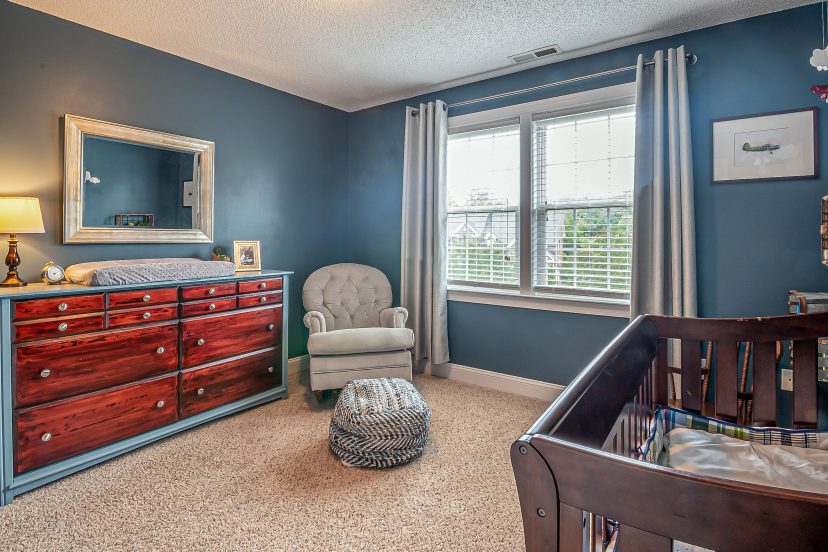
A bright nursery feels cheerful during playtime, but sunrise, streetlights, or a sunny afternoon can make naps and early bedtimes harder to manage. Blackout Curtains For Nursery give you a simple way to reduce unwanted light and make the sleep environment more consistent.
Choosing the right pair takes more than picking a cute color. You need enough width to control edge light, fabric that genuinely darkens the room, secure hardware, and a setup that stays safely away from the crib. This guide explains what to look for, what research says about darkness and infant sleep, and which current products suit different budgets and homes. You’ll also learn how to measure and install curtains so they perform as intended.
Why Blackout Curtains For Nursery Can Help
Blackout curtains reduce outside light during naps, early bedtimes, and dawn. They can be especially useful in east-facing rooms, apartments with streetlights, or homes where summer evenings stay bright.
That consistency can make the room feel more obviously “ready for sleep.” However, darkness is best treated as one environmental cue rather than a cure for difficult naps or frequent waking.
Babies also benefit from experiencing normal daylight while they are awake. So, once a nap or nighttime sleep ends, open the curtains again instead of keeping the nursery dim throughout the day.
Blackout vs. Room-Darkening Curtains
The words blackout and room darkening often appear side by side when you shop, but they do not necessarily describe the same performance.
Room-darkening panels reduce a meaningful amount of incoming light, yet the fabric may still glow when strong sunlight hits it. True blackout designs usually rely on a dense weave, an opaque coating, or a separate liner that prevents significantly more light from passing through the material.
Even a curtain marketed for complete blackout cannot stop light sneaking around the edges of the window. For Blackout Curtains For Nursery, fit and installation can matter almost as much as the fabric itself.
Measure the Window Before You Buy
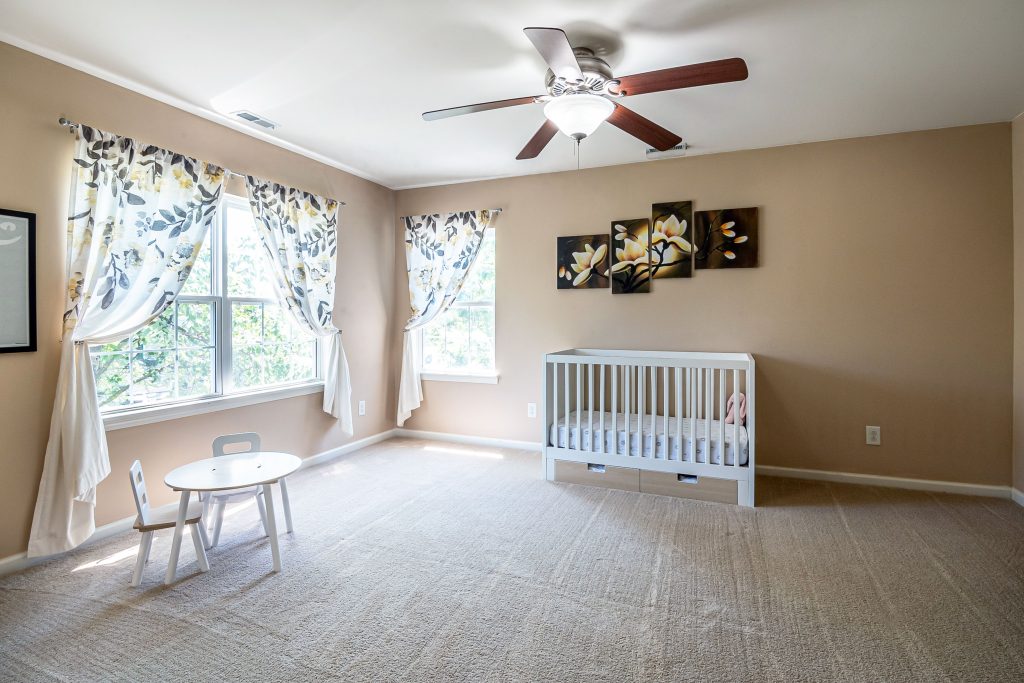
Measure the curtain rod—or the location where you plan to install one—rather than measuring only the glass. Ideally, the combined width of your panels should extend beyond the window frame and still have some fullness when the curtains are closed.
That extra coverage is especially important with Blackout Curtains For Nursery because narrow panels can expose bright gaps along the edges.
Next, measure from the rod to your preferred hem position. Check the curtain’s header style and the maximum rod diameter it accepts before ordering.
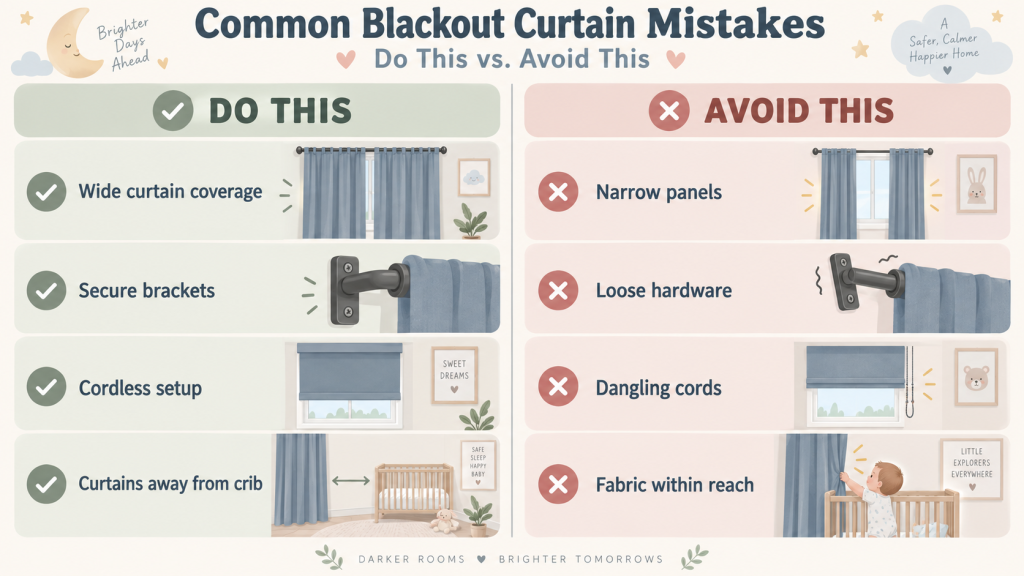
Most importantly, think about your baby’s changing reach. Hanging fabric should remain well away from the crib, changing station, shelves, and furniture a growing toddler might eventually climb.
Installation Makes a Big Difference
Many disappointing blackout setups fail because of light leaking around the curtain rather than through it.
Mounting the rod several inches beyond the window frame allows the curtains to overlap the wall when closed. A wraparound-style rod can help reduce bright side gaps further, particularly when morning sun hits the window directly.
You also need enough fabric. Panels stretched almost flat across a window tend to expose the sides and center more easily than panels with some fullness.
After installation, check the nursery at the brightest time of day. Look at the upper corners, center overlap, sides, and lower edge. Fixing one small gap may improve the room more than replacing perfectly good curtains.
Nursery Safety Comes First
Window treatments deserve the same safety attention as the crib itself. The U.S. Consumer Product Safety Commission advises families with young children to choose cordless window coverings and to keep cribs, beds, and furniture away from accessible window-covering cords.
Curtain rods and brackets should be firmly secured, and the fabric should remain beyond your child’s reach. Never use loose blackout fabric by draping it over a crib, bassinet, or play yard.
If blinds or shades remain behind the curtains, inspect them too. Cords, chains, loops, or dangling controls can pose hazards even when the curtains hide them from view.
The American Academy of Pediatrics likewise advises keeping children’s sleeping areas away from accessible drapery and blind cords.
Research-Backed Guidance on Light and Infant Sleep
Research suggests that a darker sleep environment may support longer nighttime sleep, although blackout curtains themselves have not been proven to improve infant sleep. A 2022 Sleep Medicine study of 313 infants found that babies sleeping in non-dark environments at one month averaged about 28 fewer minutes of nighttime sleep at six months. You can review the infant sleep-environment research for the full findings.
Daytime light matters too. Research involving 6- to 12-week-old infants found that babies who slept better at night received more early-afternoon light. The study on daylight exposure and infant sleep supports a balanced approach: darken the nursery during sleep, then open the curtains during awake periods.
Recommended Products: The Best Blackout Curtains For Nursery
These six options cover different budgets, décor preferences, window sizes, and living situations. Always confirm the exact size and variation before ordering.
NICETOWN White 100% Blackout Curtains 84 inch Long for Bedroom 2 Pieces
Best for: Parents who want strong light blocking with a light-colored face
Each 52-by-84-inch panel uses a black liner behind the white-facing fabric, giving pale nursery décor an opaque backing. Metal grommets make installation straightforward, while the two-panel set provides generous coverage for many standard windows. The layered construction is heavier than a simple room-darkening panel, so the rod and brackets need secure installation.
MIULEE 100% Blackout Linen Curtains for Bedroom 52×84 Inches Natural Beige
Best for: Neutral, softly styled nurseries
This two-panel set combines a faux-linen face with blackout construction, with each panel measuring 52 by 84 inches. The natural beige texture offers a softer decorative look than smooth polyester, while grommets simplify hanging. As with any blackout curtain, sufficient side coverage remains important because even opaque fabric cannot prevent light entering around an undersized panel.
BGment Blackout Curtains for Bedroom, 42 x 63 Inch, Navy Blue
Best for: Smaller windows and tighter budgets
BGment’s set contains two 42-by-63-inch navy panels with grommet tops. The product information notes that darker colors provide stronger light blocking than lighter variations, making navy a sensible option when darkness matters more than maintaining a pale color palette. The shorter length works well for compact windows but may not provide enough vertical coverage for taller frames.
Sun Zero Riley Kids Bedroom Blackout Grommet Curtain Panel, 40 x 84 Inch, Silver Gray
Best for: Parents who want child-friendly décor that can age well
The Riley Kids panel measures 40 by 84 inches and uses a grommet header. Silver gray works easily with many nursery palettes and can remain appropriate as the room changes beyond the baby years. Keep in mind that it is sold as a single panel, so many windows will require two for suitable fullness and center overlap.
Eclipse Blackout Curtain, Tiered Ruffle Kids Curtain, 84 x 40 Inch, White
Best for: Decorative nurseries that still need blackout coverage
This 40-by-84-inch panel combines a tiered white ruffle face with Thermaback blackout construction and offers rod-pocket or back-tab hanging. It suits a nursery where window treatments are part of the room’s decorative look rather than purely functional. The listing covers one panel, so calculate your total required width before deciding how many panels to order.
Sumobaby 50 x 60 Inch Portable Blackout Curtains Blinds for Windows No Drill
Best for: Renters, travel, and temporary sleep spaces
Sumobaby’s 50-by-60-inch blackout cover attaches using hook-and-loop tape rather than a conventional curtain rod and can be cut to fit. That makes it practical for rentals, grandparents’ homes, or travel rooms where drilling is inconvenient. Visually, it resembles a removable blackout shade more than traditional drapery, and attachment performance depends on the mounting surface.
How to Choose the Right Option
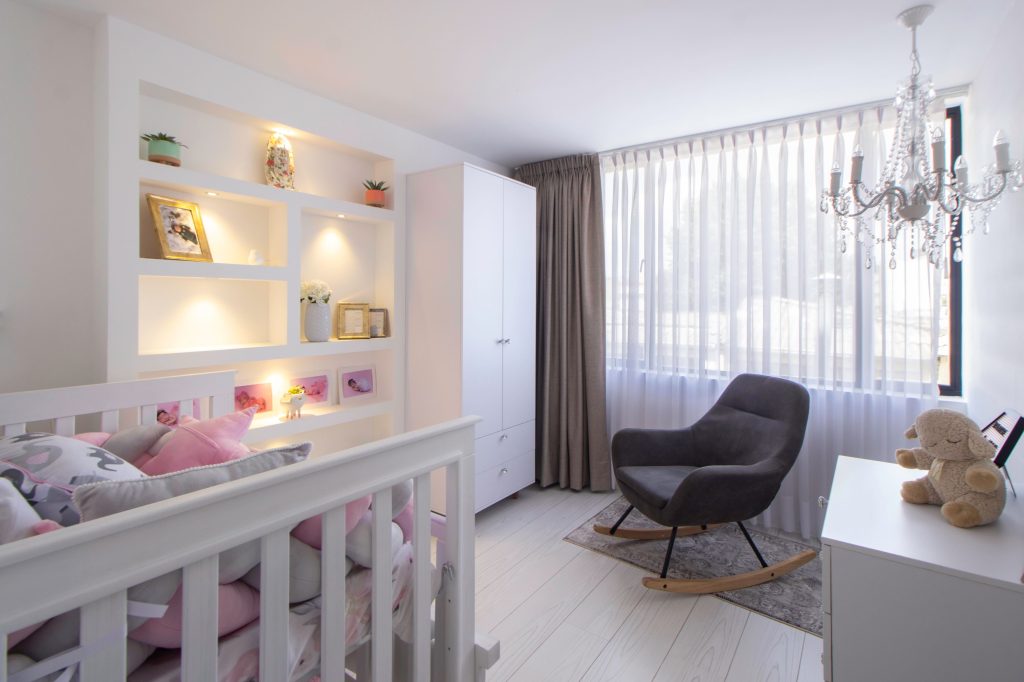
Start with the room’s biggest problem. If direct morning or afternoon sun is the issue, prioritize opaque construction and generous wall overlap. NICETOWN and MIULEE are strong candidates when you want conventional curtains with substantial coverage.
BGment makes more sense for a smaller window or tighter budget, while Sun Zero Riley and Eclipse put more emphasis on nursery-friendly appearance.
For a rental, trip, or temporary bedroom, the removable Sumobaby design avoids a permanent curtain installation.
Since Blackout Curtains For Nursery may remain in place well into the toddler years, also consider whether the color, length, and hanging style will still make sense as the room evolves.
Use Curtains as Part of a Sleep Routine
Closing the curtains near the end of a nap or bedtime routine can become one small, repeatable signal that sleep is approaching. Then, when your baby wakes, opening them again helps visually separate sleep time from awake time.
If you’re also working on independent settling, this guide to sleep training and a sleep-friendly environment explains how room setup can fit alongside routines and gradual sleep-training approaches.
Blackout Curtains For Nursery generally work best as one predictable environmental cue rather than the only condition a baby needs in order to sleep. Feeding patterns, development, comfort, and routine still matter.
Temperature, Noise, and Realistic Expectations
Dense window coverings may also influence how a room feels near a sunny or cold window. The U.S. Department of Energy notes that appropriate interior window coverings, including shades and blinds, can help reduce unwanted solar heat gain, although performance varies with the window, climate, and installation.
Heavy curtains can soften some outside sound as well, but they are not soundproofing.
Likewise, Blackout Curtains For Nursery should never replace basic temperature awareness, ventilation, or established safe-sleep practices. Their main job is light control. Treat thermal and noise benefits as secondary rather than assuming every “thermal blackout” curtain will dramatically change the room.
Frequently Asked Questions About Blackout Curtains For Nursery
Is it safe to use blackout curtains in a nursery?
Yes, when they are securely installed and kept away from the crib. Accessible cords, loops, loose fabric, and unstable hardware are the main concerns. Use cordless window coverings wherever possible, firmly secure the rod, and keep the crib and climbable furniture away from the window so a baby or toddler cannot reach the curtains or window controls.
Do babies sleep better in complete darkness?
No. Babies can sleep without a completely black room. Observational research has linked darker infant sleep environments with longer nighttime sleep, but it does not establish complete darkness as a requirement. Aim for useful light reduction during naps and nighttime, then open the curtains during awake periods so normal daylight returns.
Are white blackout curtains as effective as dark ones?
They can be. A white curtain with a genuinely opaque liner may block more light than an unlined dark panel. Construction matters more than face color alone. When shopping for white Blackout Curtains For Nursery, look for a clearly described blackout backing or liner and pay close attention to eliminating light gaps around the window.
How wide should nursery blackout curtains be?
Use enough combined curtain width to extend beyond the frame and still retain some fullness when closed. Panels that barely equal the window width tend to pull flat and leave side or center gaps. Measure your rod or planned rod width rather than only the glass, then allow additional material for overlap and coverage.
Can blackout curtains make a nursery too dark during the day?
Only if you leave them closed. Darkening the nursery during naps may be useful, but reopen the curtains afterward. Blackout Curtains For Nursery work best as adjustable light control rather than a reason to keep the room dim all day. Normal daytime light helps make awake periods clearly different from sleeping periods.
Final Recommendation: Choosing the Best Blackout Curtains For Nursery
The best Blackout Curtains For Nursery fit generously, control the amount of light your particular room receives, and can be installed securely away from the crib. NICETOWN is the most versatile choice here for parents wanting substantial blackout construction with a light-colored face, while MIULEE works well if you prefer a softer linen-look finish. Sumobaby makes more sense for rentals or temporary rooms.
Whatever you choose, measure first, provide enough width for overlap, secure the hardware carefully, and keep fabric and cords out of reach. Close the curtains for sleep, then bring daylight back once your baby is awake. That balanced approach gives you useful light control without expecting curtains to solve every sleep challenge.