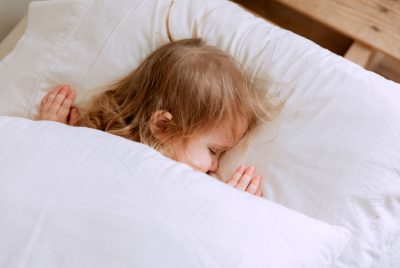
5 Lightweight Baby Rompers Perfect for Daytime Naps
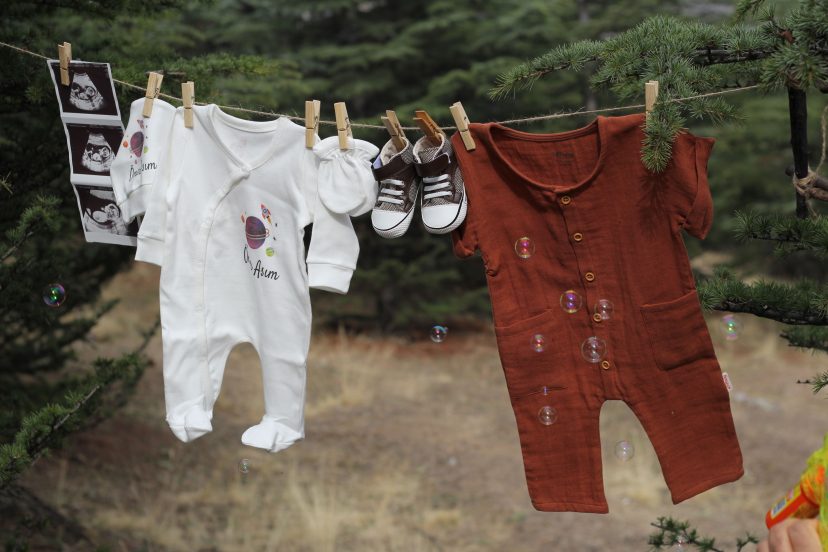
We may earn a commission for purchases made using our links. Please see our disclosure to learn more.
Newborn naps can feel like tiny miracles wrapped in chaos. One minute your baby is drifting off peacefully, and the next, you’re wondering if they’re too warm, too cold, too restricted, or about to wake because a snap is digging into their leg. That’s where Baby Rompers can make newborn baby care feel a little less like guesswork.
A good romper keeps things simple. It gives your baby comfort, gives you easier diaper access, and saves you from building a whole tiny outfit at 7 a.m. on three hours of sleep.
In this guide, you’ll learn how to choose lightweight baby rompers for daytime naps, what fabrics and features matter, how to dress your newborn safely, and which Amazon options are worth considering.
Why Baby Rompers Are a Daytime Nap Essential
Baby Rompers are one of those newborn basics that quietly save your sanity.
They are one-piece outfits, so you are not constantly matching tops, bottoms, socks, and tiny accessories that somehow disappear into the laundry like baby-sized magic tricks.
For daytime naps, rompers work especially well because they are simple, soft, and easy to move in. Your baby can stretch, curl, kick, and settle without a waistband pressing into their belly.
That matters because newborns spend a lot of time sleeping. So their clothing should feel like a gentle hug, not a costume.
What Makes a Baby Romper Good for Newborn Naps?
A nap-friendly romper should be soft, breathable, easy to open, and not too bulky.
Think of it like your own favorite lounge outfit. You probably would not nap well in stiff jeans or a scratchy sweater. Babies are the same, except they cannot complain with words. They complain with squeaks, wiggles, and that tiny red-faced drama we all know too well.
Look for:
- Lightweight fabric
- Smooth seams
- Easy snaps or zippers
- Room for leg movement
- A fit that is snug but not tight
- No scratchy tags or rough decorations
For newborn baby care, comfort usually beats fancy.
Soft Fabrics: The Tiny Details Your Baby Feels
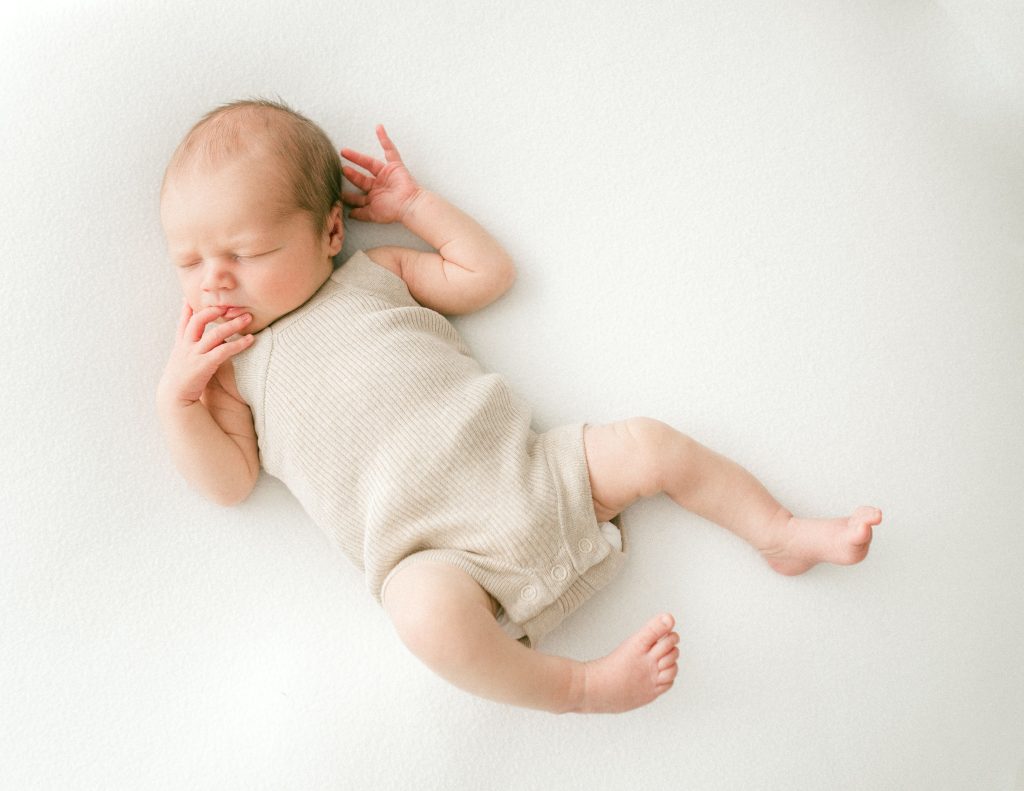
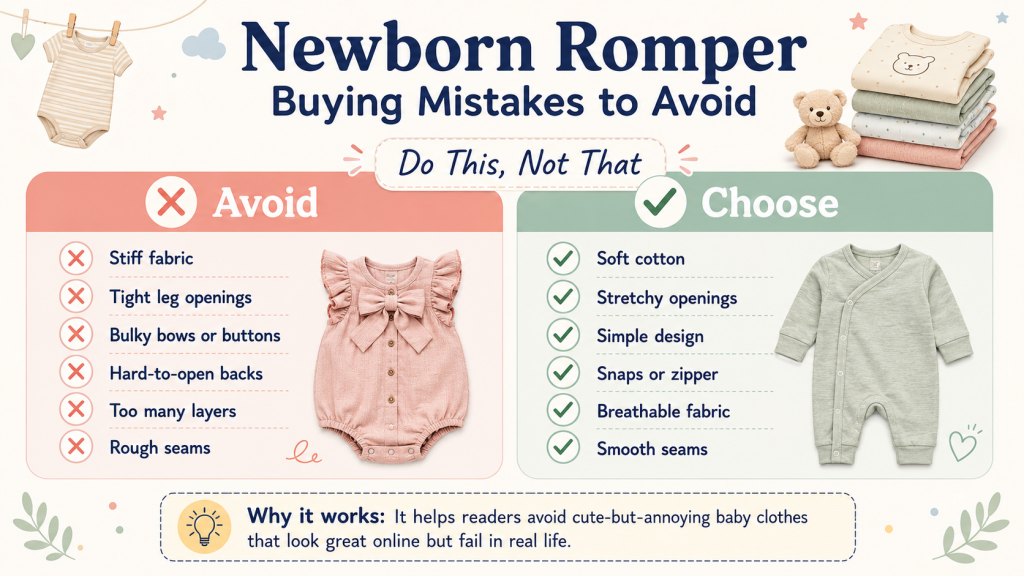
Fabric is everything. A romper may look adorable online, but if the material feels rough, stiff, or heavy, your baby may not settle well.
Cotton is a classic choice because it feels soft and breathable. Organic cotton baby clothes can also be a nice option for parents who prefer simpler materials close to newborn skin.
Bamboo rayon blends are another popular choice because they often feel stretchy and smooth. However, always check care instructions. Some delicate fabrics need gentler washing.
Best fabrics to consider
For daytime naps, these are usually parent-friendly choices:
- Cotton
- Organic cotton
- Cotton jersey
- Bamboo viscose or rayon blends
- Lightweight ribbed knit
If your baby has sensitive skin, avoid heavy embroidery, rough appliqués, or stiff collars around the neck.
Lightweight Design and Breathability
Lightweight baby rompers are especially helpful during warmer months or in homes that run warm.
A breathable romper helps reduce that “Is my baby overheating?” worry. Of course, clothing is only one part of the picture. Room temperature, layers, and sleep setup matter too.
A simple rule many parents use is this: dress your baby in one more light layer than you are wearing in the same room. The American Academy of Pediatrics shares similar guidance and notes that overheating can increase SIDS risk.
So if you are comfortable in a T-shirt, your baby may only need a lightweight romper or a romper plus a light sleep sack, depending on the room.
Easy Diaper Changes Matter More Than You Think
Before becoming a parent, you may think, “How hard can baby clothes be?”
Then you meet the 3 a.m. diaper blowout.
That is when easy closures become less of a feature and more of a spiritual experience.
For newborns, choose Baby Rompers with snap bottoms, two-way zippers, or wide openings. These details make diaper changes faster and less disruptive, especially if your baby is almost asleep.
Snap vs zipper rompers
Snaps are helpful because you can open only the bottom. Zippers are faster, especially two-way zippers that open from the foot area.
If you are buying for daytime naps, either can work. Just avoid complicated buttons on the back. Cute? Yes. Practical while holding a sleepy newborn? Not so much.
How to Choose the Right Size
Sizing can be tricky because newborns grow like they have a secret calendar you were not invited to see.
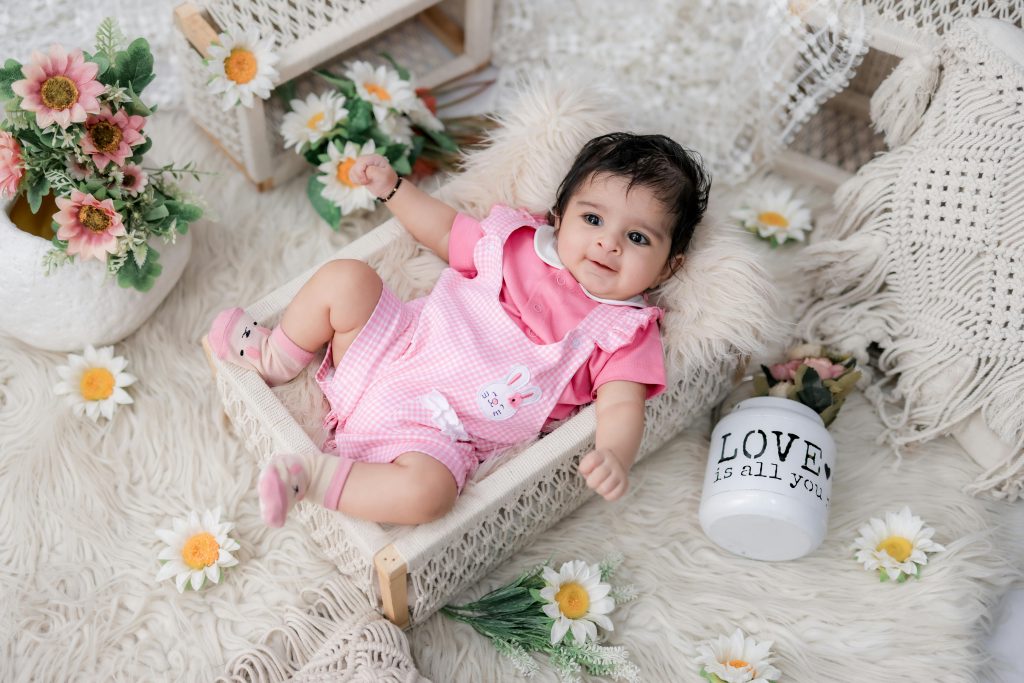
Some babies fit newborn sizes for weeks. Others skip straight to 0–3 months. If you are unsure, choose a few newborn pieces and more 0–3 month options.
A good romper should not pull at the shoulders, squeeze the thighs, or leave marks around the wrists or ankles. At the same time, it should not be so loose that extra fabric bunches around the face or body during sleep.
When in doubt, check the brand’s size chart and look at weight ranges, not just age labels.
Short Sleeves vs Long Sleeves
Short-sleeve Baby Rompers are great for warm rooms, summer naps, and layering under sleep sacks.
Long-sleeve rompers work better in cooler homes or air-conditioned rooms. They can also protect delicate skin from chilly drafts without needing extra loose blankets.
Sleeveless rompers can work for warm daytime wear, but for naps, many parents prefer short sleeves because they offer a little more coverage without adding much warmth.
The best choice depends on your home, climate, and how your baby feels. Some babies run warm. Some seem to have tiny built-in ice cubes for feet.
Simple Nap Outfit Ideas for Different Homes
You do not need a complicated baby wardrobe. You need a few reliable combinations.
For a warm room, try a lightweight cotton romper on its own.
For a cool room, try a long-sleeve romper with a wearable blanket.
For an air-conditioned home, try a short-sleeve romper under a lightweight sleep sack.
For supervised lounging before a nap, a romper with soft socks can work well. Just remove accessories that are not safe for sleep before placing your baby down.
The goal is comfort without over-layering.
Baby Rompers and Safe Sleep Basics
Even the softest romper cannot replace safe sleep habits.
For naps, place your baby on their back on a firm, flat sleep surface. Keep loose blankets, pillows, toys, and bumper-style products out of the sleep area. The AAP advises keeping soft objects and loose bedding away from the crib, bassinet, or play yard.
If you are setting up your nursery and feel unsure about what should or should not go in the crib, this guide on crib bumper pad safety and alternatives can help you make a clearer, safer choice.
Comfort is wonderful. Safe comfort is the real win.
5 Lightweight Baby Rompers to Consider
Here are five baby romper options that fit the “lightweight, practical, nap-friendly” theme.
1. Simple Joys by Carter’s Baby 3-Pack Snap-up Rompers
This set is a strong everyday pick because it gives you three rompers in one pack. The Amazon listing describes it as a 3-pack snap-up romper set, and it appears as a best-selling baby boys’ one-piece romper option.
Features:
- Multi-pack value
- Snap-up design
- Everyday cotton feel
- Easy outfit rotation
Best for: Parents who want simple, affordable Baby Rompers for daily naps, tummy time, and quick changes.
2. Burt’s Bees Baby Boys Sleep and Play PJs, 100% Organic Cotton One-Piece Zip Front Romper Jumpsuit Pajamas
This option works well if you prefer organic cotton baby clothes. The Amazon listing names it as a 100% organic cotton one-piece zip-front romper jumpsuit pajama.
Features:
- 100% organic cotton
- Zip-front design
- One-piece sleep-and-play style
- Soft pajama-style comfort
Best for: Parents who want a cozy romper that can move from daytime naps to relaxed home wear.
3. Burt’s Bees Baby Girls’ Romper, 100% Organic Cotton One-Piece
This romper is a cute summer-friendly option with soft organic cotton and practical snap closures. The Amazon listing highlights 100% organic cotton, a keyhole back, and snaps for diaper changes.
Features:
- 100% organic cotton
- Lightweight one-piece style
- Snap closures
- Warm-weather friendly
Best for: Parents looking for a breathable cotton baby romper with a softer, dressier feel.
4. Hudson Baby Unisex Cotton Rompers
Hudson Baby’s unisex cotton rompers are a nice pick if you want simple infant rompers that work for different babies, styles, and hand-me-down plans. The Amazon listing identifies the product as “Hudson Baby Unisex Cotton Rompers.”
Features:
- Cotton fabric
- Unisex design
- Everyday wear style
- Easy to pair with simple baby basics
Best for: Families who like practical newborn clothing that is easy to reuse, gift, or mix into a small capsule wardrobe.
5. Aablexema Baby Romper Bamboo Rayon Short Sleeve Footless Pajamas 2 Way Zipper Summer Jumpsuit Outfit
This romper is useful for parents who prefer a stretchy, soft bamboo-rayon feel. The Amazon listing describes it as a short-sleeve footless romper with a two-way zipper and notes a bamboo rayon/spandex blend.
Features:
- Two-way zipper
- Footless design
- Short sleeves
- Stretchy bamboo rayon blend
Best for: Warm-weather naps, easy diaper changes, and babies who seem more comfortable in stretchy baby sleepwear.
How Many Baby Rompers Do You Need?
For a newborn, five to eight rompers is a practical starting point.
That gives you enough for spit-up, diaper leaks, warm days, cool days, and the mysterious outfit change that happens even when nothing looks wrong.
If you do laundry daily, you can own fewer. If laundry piles up because, well, newborn life, a few extras help.
A simple mix might look like this:
- 3 short-sleeve rompers
- 2 long-sleeve rompers
- 1–2 zip rompers
- 1 slightly dressier romper
You do not need a closet packed like a baby fashion boutique. You need easy options you will actually use.
Washing, Stain Care, and Everyday Durability
Baby clothes work hard. They face milk, drool, diaper surprises, and the occasional “How did banana get there?” moment, even before solids somehow enter the story.
Wash Baby Rompers with a gentle detergent, especially during the newborn stage. Avoid heavy fragrance if your baby’s skin reacts easily.
For stains, rinse quickly with cool water, then treat before washing. Heat can set some stains, so check before tossing rompers into the dryer.
Also, zip or snap closures before washing. This helps prevent snagging and keeps the romper in better shape.
Small Style Details Parents Actually Appreciate
Style still matters. You deserve to enjoy those tiny outfits.
But the best baby style is practical style.
Look for sweet prints, soft colors, and simple patterns that hide minor stains. Neutral rompers are great for photos and gifting. Bright prints can make everyday outfits feel cheerful.
However, avoid bulky bows, large buttons, scratchy patches, or heavy decorations for naps. They may look adorable for pictures but feel uncomfortable when your baby lies down.
A good romper should pass the “Would I want to nap in this?” test.
Research-Backed Guidance for Baby Clothing and Naps
The AAP safe sleep environment guidance recommends placing babies on their backs for sleep, keeping soft objects and loose bedding out of the sleep area, and avoiding overheating. It also says babies generally need only one more layer than an adult would wear in the same room.
The Lullaby Trust baby sleep clothing guidance explains that a room temperature of 16–20°C is often recommended for baby sleep and warns that babies can overheat if overdressed. That supports the idea of choosing lightweight, breathable baby clothes for naps.
Together, these expert sources point to the same practical lesson: Baby Rompers can be helpful for daytime naps, but they should be part of a safe, simple sleep setup.
FAQ About Baby Rompers
Are Baby Rompers safe for newborn daytime naps?
Yes, Baby Rompers can be safe for daytime naps when they fit well, use breathable fabric, and do not include loose parts, bulky decorations, or tight areas. Your infant should always sleep on their back on a solid, clear surface.
What fabric is best for newborn baby rompers?
Cotton, organic cotton, cotton jersey, and soft bamboo rayon blends are popular choices. For naps, choose lightweight and breathable fabrics that feel smooth against your baby’s skin.
Should newborns wear short-sleeve or long-sleeve rompers for naps?
It depends on the room. Short sleeves work well in warm spaces. Long sleeves may be better in cooler rooms. Avoid over-layering, and check your baby’s chest or back for warmth.
How many Baby Rompers should I buy before birth?
Start with five to eight rompers. That usually gives you enough for daily changes, laundry gaps, and small messes without overbuying sizes your baby may quickly outgrow.
Can my baby wear a romper under a sleep sack?
Yes, a lightweight romper can work under a sleep sack if the room temperature calls for it. Choose the sleep sack weight carefully and avoid adding loose blankets.
Conclusion
Baby Rompers may look like simple little outfits, but they can make newborn baby care smoother, calmer, and a lot more practical. The best ones are soft, breathable, easy to change, and comfortable enough for those precious daytime naps. Start with a small mix of lightweight rompers, pay attention to your baby’s temperature and fit, and keep the sleep space safe and simple. You do not need to get every choice perfect. You just need thoughtful basics that help your baby rest—and help you breathe a little easier, too.